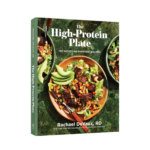

I’m still kind of in disbelief typing this, but my new cookbook, The High-Protein Plate, has been on the New York Times Bestseller list for two weeks. I’m so thankful for your support and so proud of these recipes!
What it really means is something deeper: it tells me that we’re all ready for a way of eating that actually fits into our lives. Not something extreme or complicated! But something that helps us feel good, have steady energy, and stop overthinking food all the time.
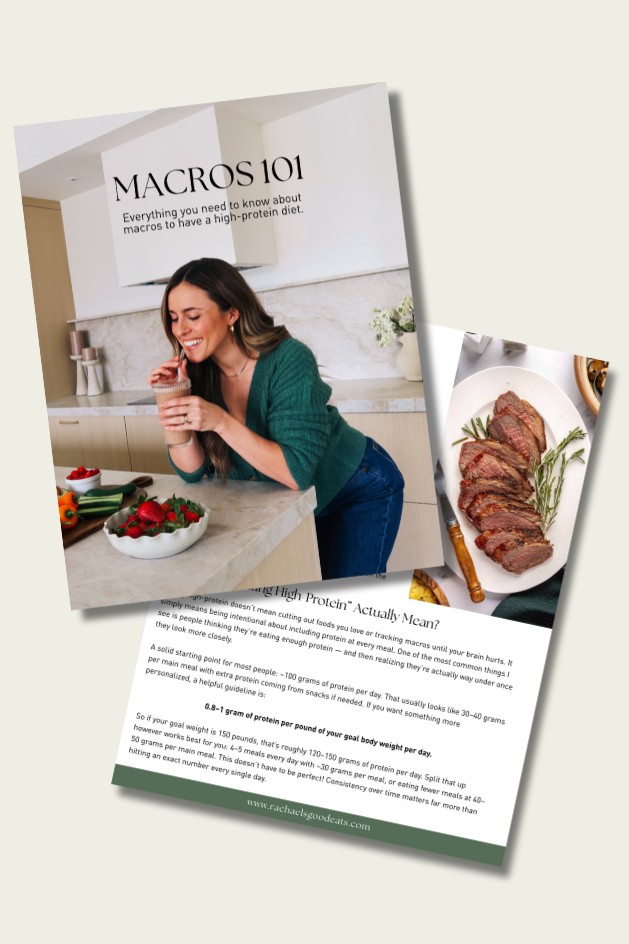
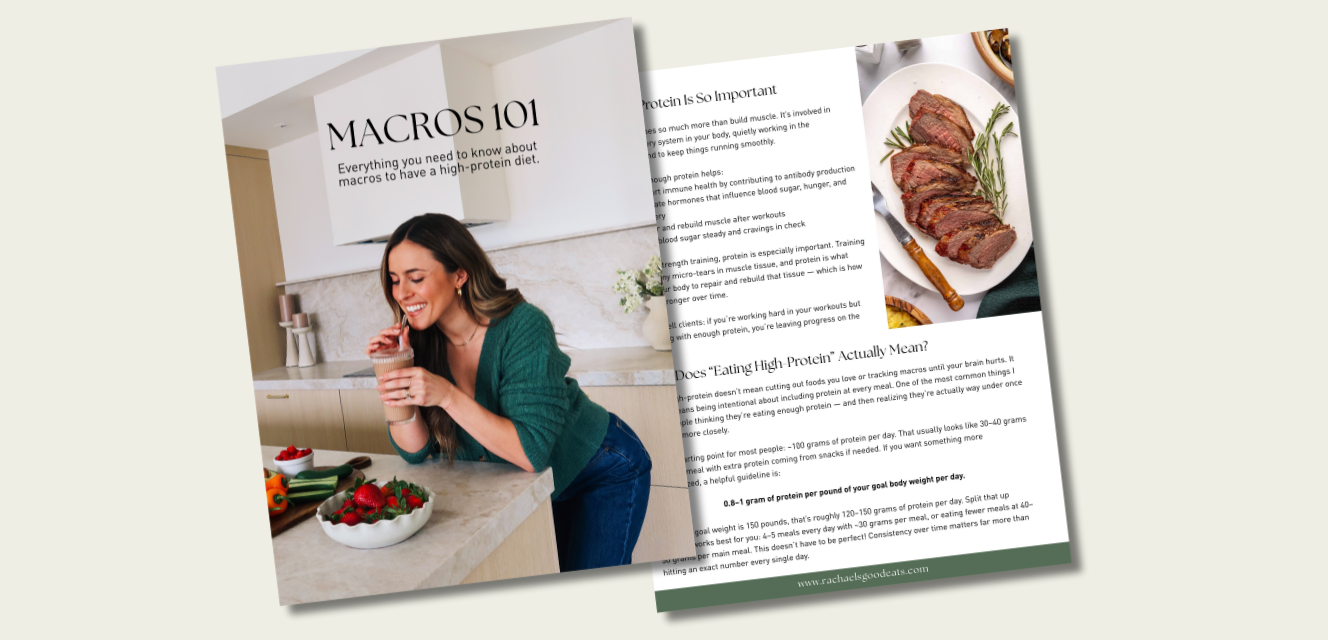
One of the most common things I’ve talked about since my book launched (on podcasts, in interviews, on the TODAY show!!) is, why protein? And the answer is pretty simple.
A lot of us have tried to follow general advice like “eat balanced” or “just listen to your body. But that doesn’t always help in the moments when you’re tired, busy, or realize it’s already 6 pm and your kids are hungry. What has made a difference—for me and for so many of you—is having a simple, repeatable way to build a meal that actually keeps you full, focused, and satisfied.
My protein-first approach is my bible for building a balanced plate for myself. But it’s also how I feed my toddler, my family, and how I developed each of the recipes in this book!

How I Think About Building a Plate
This isn’t about rules or perfection—it’s just a framework I come back to again and again because it works. It takes the guesswork out of making high-protein meals and makes everything feel more doable, even on busy days.
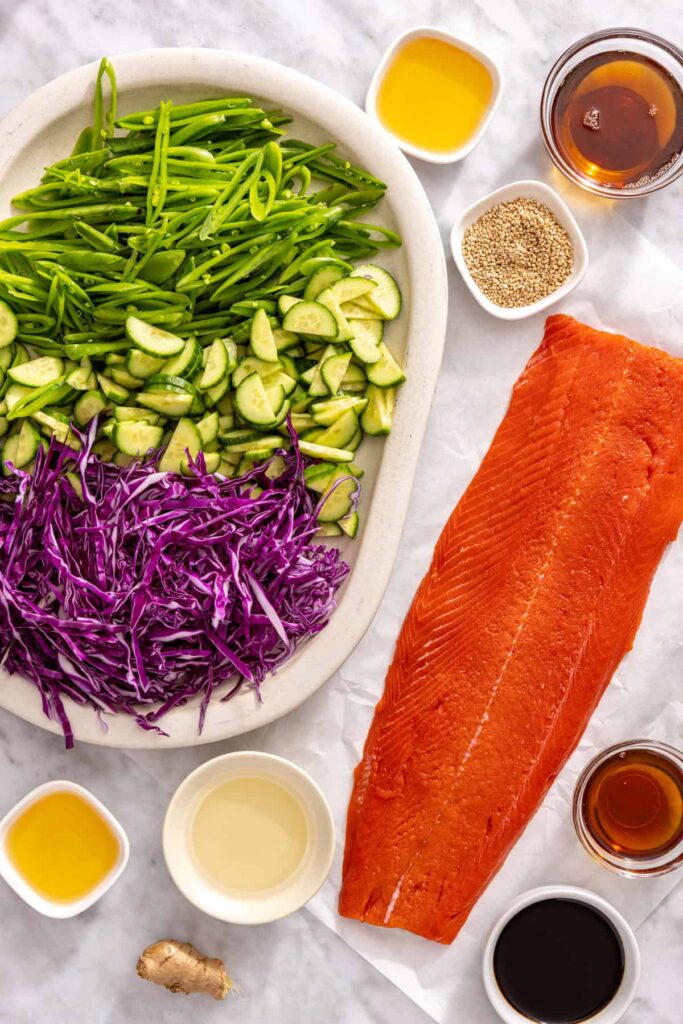
Start with Protein
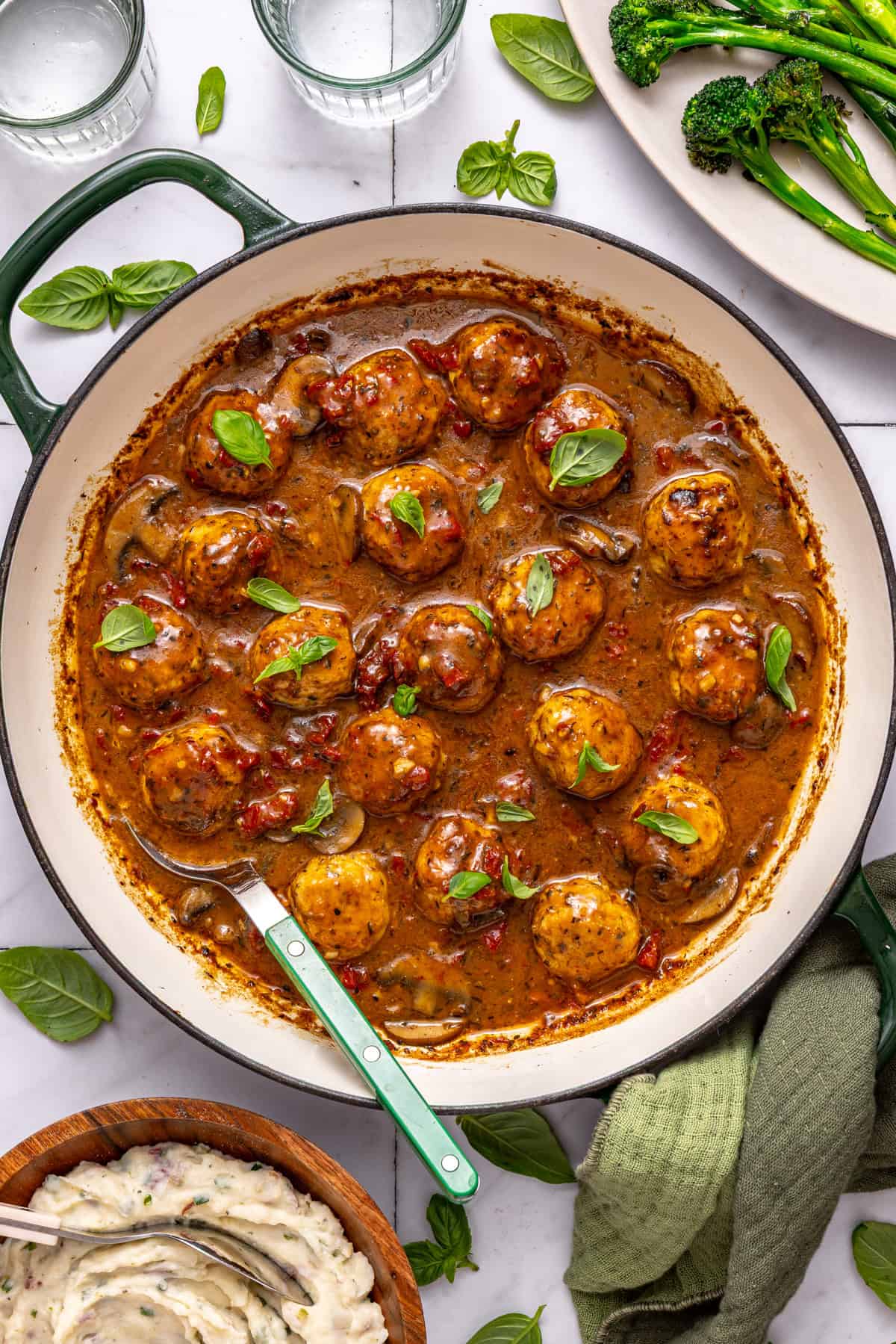
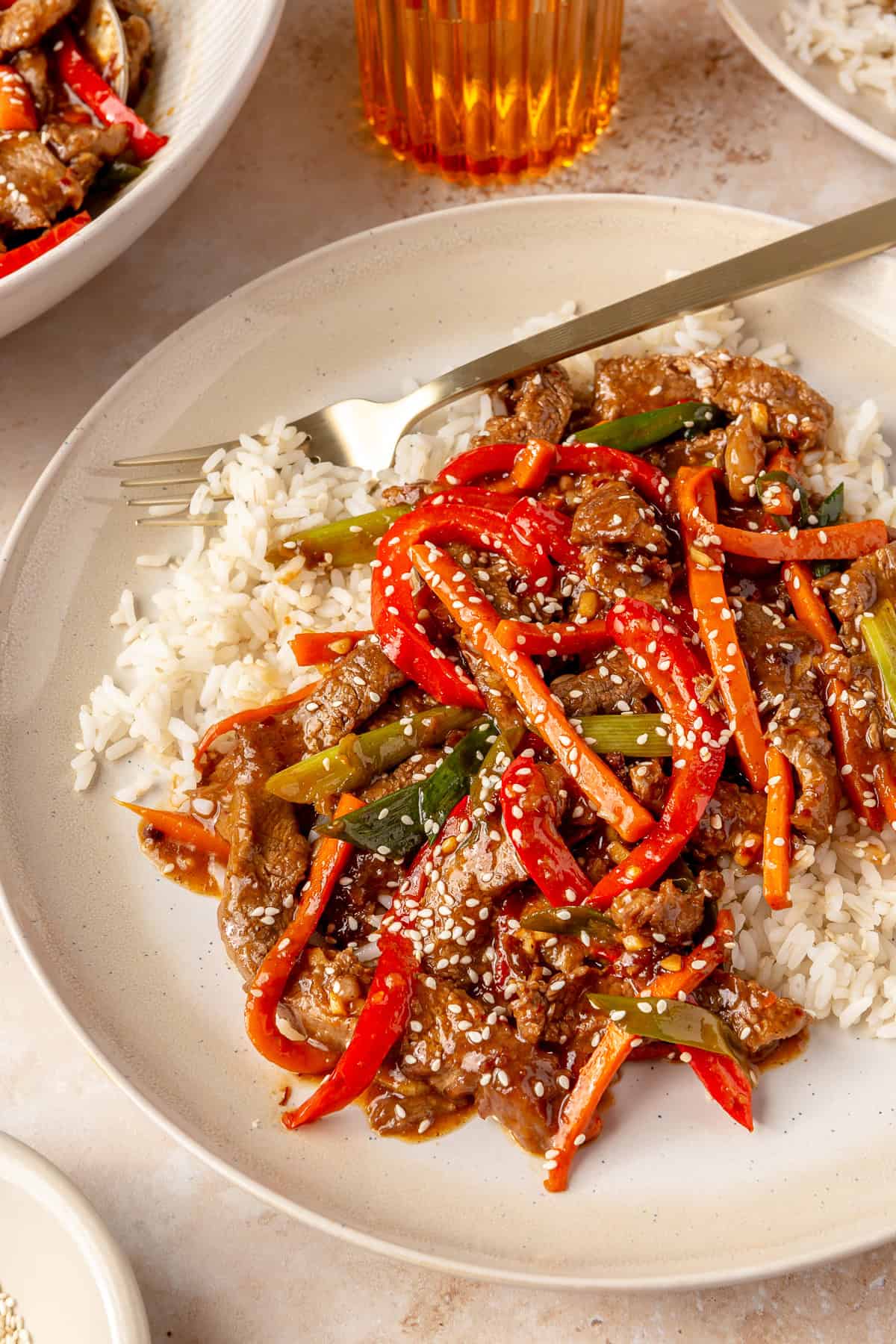
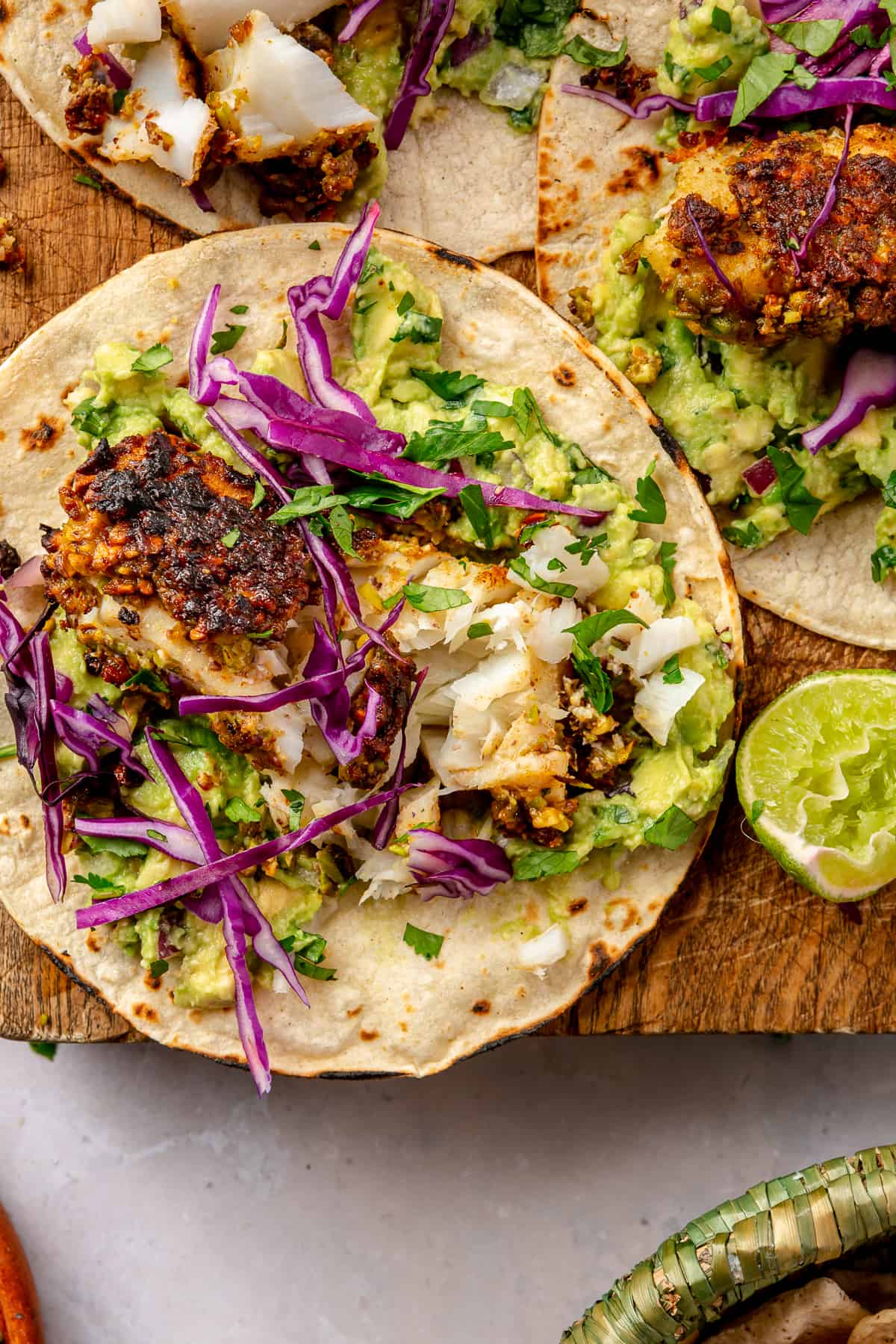
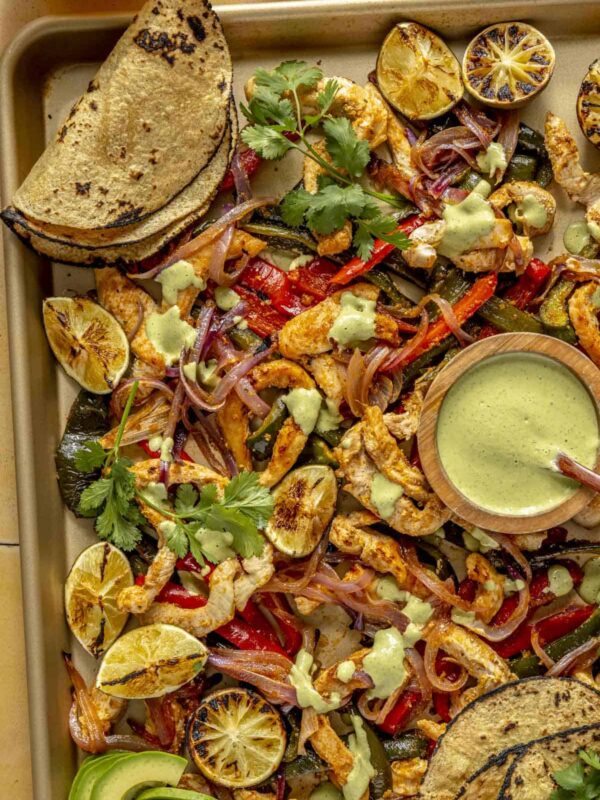
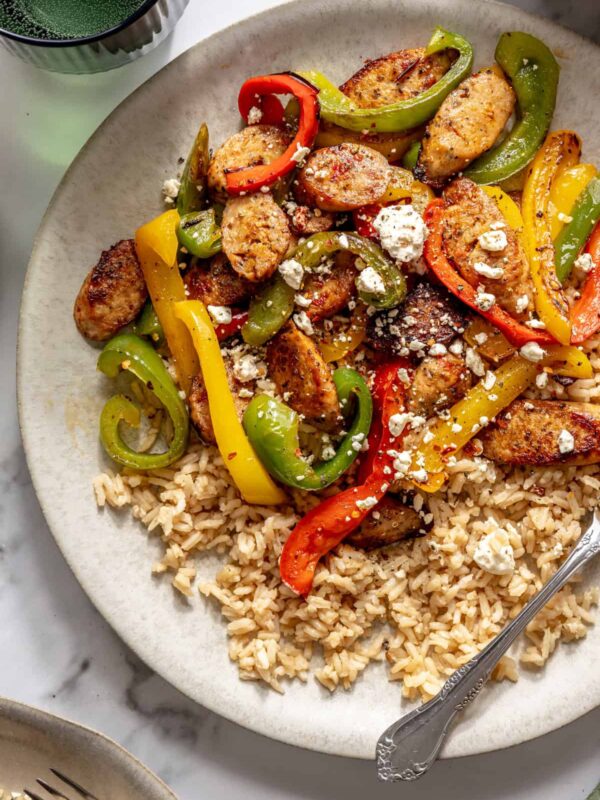
Protein is always where I start! I choose my protein first and build everything else around it. For example: salmon, ground beef, chicken thighs, chicken sausage, eggs, etc is at the top of the grocery list every week. Then, I go through each of the proteins and determine what kind of high-protein meal it inspires. For example: salmon and rice bowls, ground beef tacos, chicken thighs into soup, etc.
That shift alone can make a huge difference. When you’re getting enough protein (30–40g) you tend to stay full longer, your energy feels more stable, and those constant cravings for sweets later in the day aren’t as intense. It’s not about being perfect but about making protein a priority so your meals actually work for you.
Don’t Skip the Fiber
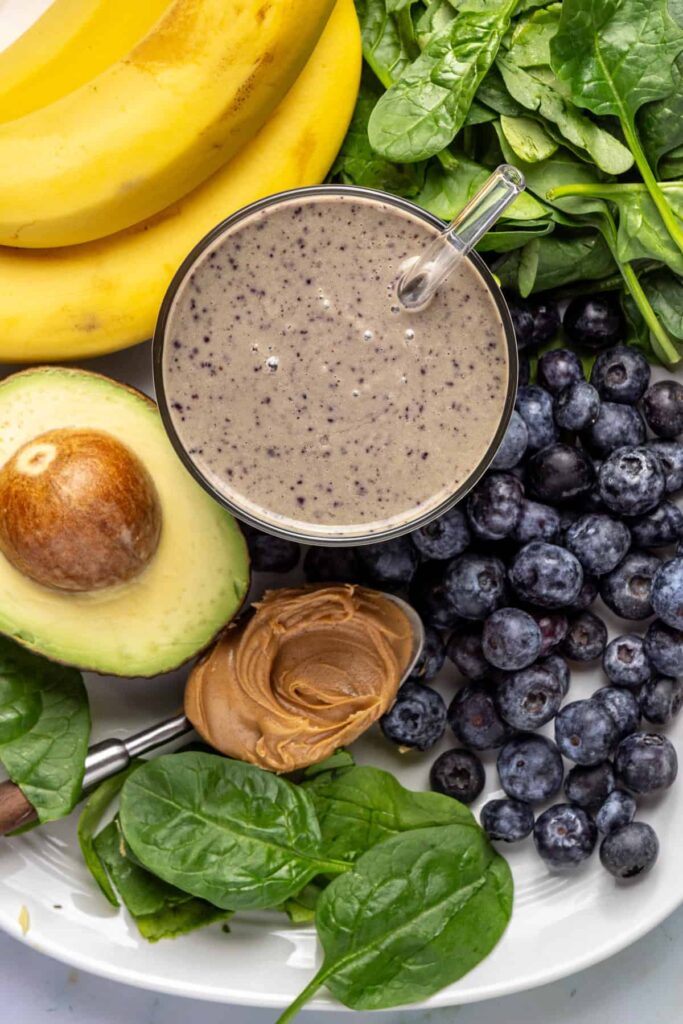
If protein is what anchors the meal, fiber is what makes it feel balanced and steady. This is where your vegetables, fruits, and other plant-based foods come in.
Most people aren’t getting enough fiber. You’ll feel it in your digestion, your energy, and even in how often you find yourself reaching for snacks. When you pair protein with fiber, meals tend to keep you satisfied for so much longer. It creates that steady, “slow burn” energy that helps you move through your day without the usual highs and crashes. Fiber is a necessary element in a high-protein meal!
5 Easy Tweaks to Eat More Fiber (Without Overhauling Your Diet)
Round It Out in a Way That Feels Good
From there, I add in carbs and fats in a way that makes the meal feel complete. This might look like rice, potatoes, or fruit, along with things like avocado, olive oil, or seeds.
There’s no fear around carbs here! Carbs are another essential element of a balanced high-protein meal. Once you have that strong foundation of protein and fiber, everything else really just builds on top of it. It becomes less about restriction and more about creating high-protein meals that are satisfying, nourishing, and enjoyable.
Why This Approach Has Stuck for Me
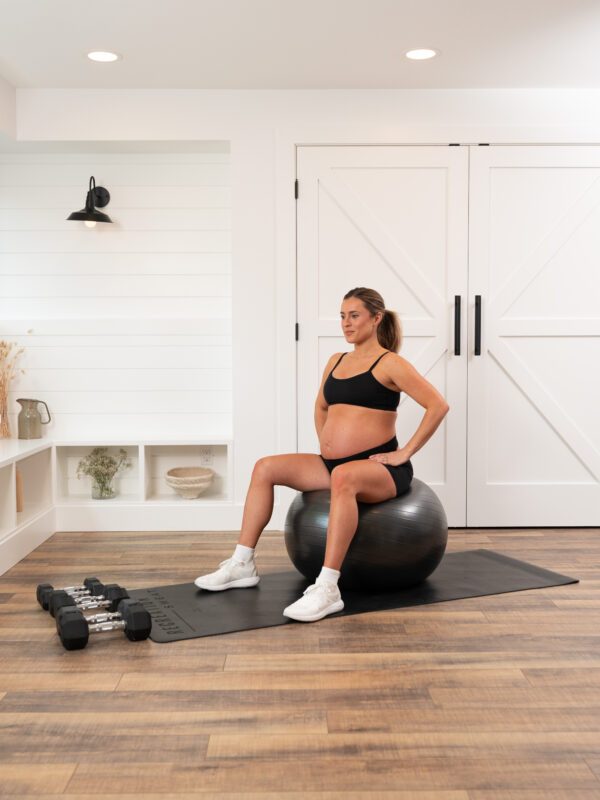
This has resonated with so many people because it’s how I was actually cooking during one of the busiest and most demanding seasons of my life—pregnancy and postpartum.
I didn’t have the time or energy for complicated recipes or anything that required a long list of ingredients. More than ever, I needed meals that were simple, filling, and easy to come back to again and again. I needed meals I could throw together on a busy weeknight that would still leave me feeling good.
That’s why so many of these recipes are one-pan, one-pot, or slow cooker meals. They’re designed to be flexible, approachable, and realistic. Most are naturally gluten-free, many are dairy-free, and none of them rely on anything overly complicated. It’s just real food that supports you.

If this way of eating is new to you, you don’t need to change everything overnight. Just start small. Build your plate in a slightly different way—lead with protein, add fiber, and then round it out from there. Over time, those small shifts add up. You start to feel more energized, more satisfied, and a lot more confident in how you’re feeding yourself.











Comments