
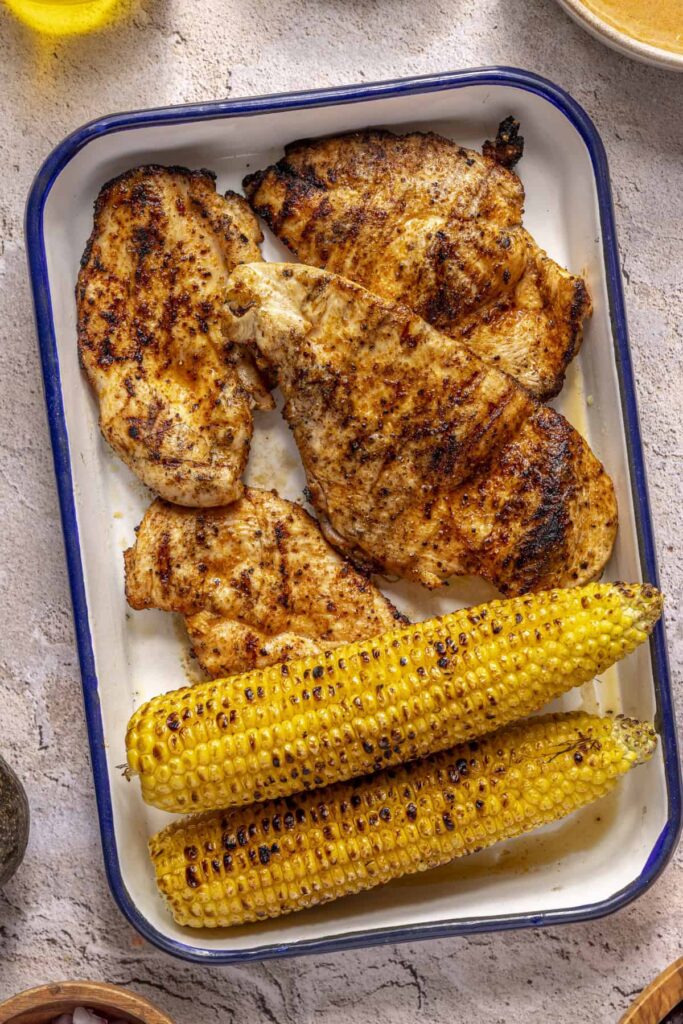
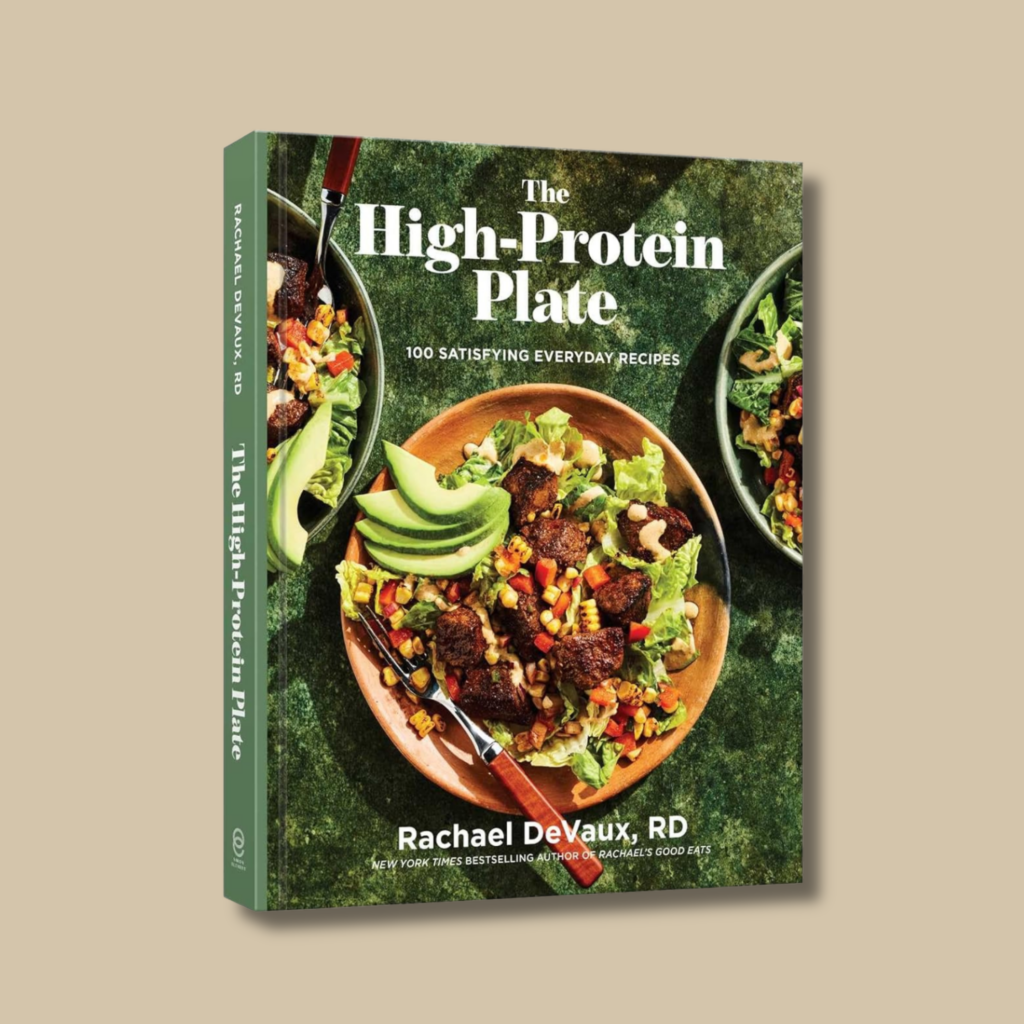
My most recent cookbook, The High Protein Plate, is a game-changer for adopting a high-protein diet without all the fuss of tracking your food. I wanted to give you 100 recipes that are not only easy to make but easy to enjoy because you know you’re getting your protein in and taking care of your family! I’ve been getting lots of questions about what “high-protein” really means – so I wanted to break it down. Let’s get into it!
What Is A “High-Protein Diet” and Are You Eating Enough?
“High-protein” is one of those nutrition buzzwords that gets thrown around a lot, but rarely explained in a way that feels clear or realistic (the classic chicken and broccoli comes to mind, right?). For some people, it brings up anxiety over tracking every gram or cutting out entire food groups. That’s not what I mean when I talk about eating a high-protein diet.
A high-protein diet can be sooo easy (and delicious) – I promise! If you take just a bit of time to understand what a high-protein diet looks like, it really becomes second nature to eat that way. My goal is to help you eat enough protein to support your energy, muscle mass, metabolism, and overall health, while still eating delicious food that you love!
What Does “High-Protein” Actually Mean?
“High-protein” doesn’t mean protein only, and it definitely doesn’t mean eliminating carbs or fats. It also doesn’t mean boring or strict – If you check out some of the high-protein recipes on my site, you’ll notice that every recipe is packed with flavor and no food groups are left out! A high-protein diet just means that protein plays a more intentional role in your meals compared to the standard diet.
A high-protein diet still includes carbohydrates and fats. Those macronutrients matter. Protein just becomes the anchor of meals, helping you feel more energized, satisfied, and supported throughout the day.
How Much Protein Do You Actually Need?
There isn’t one perfect protein number that works for everyone, but if you’re looking for a good place to start, it’s 100 grams per day (roughly 30-35 grams of protein per meal).
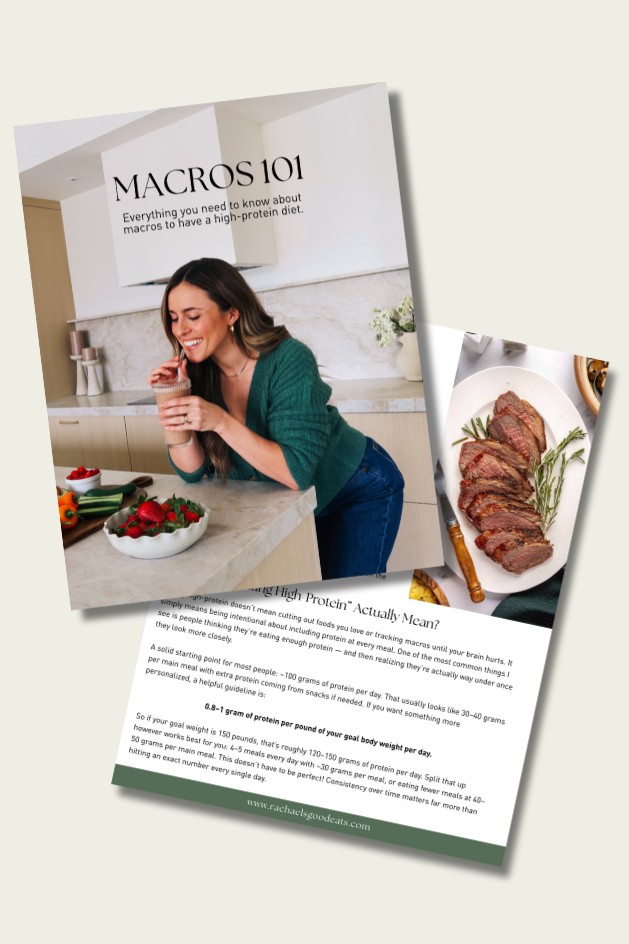
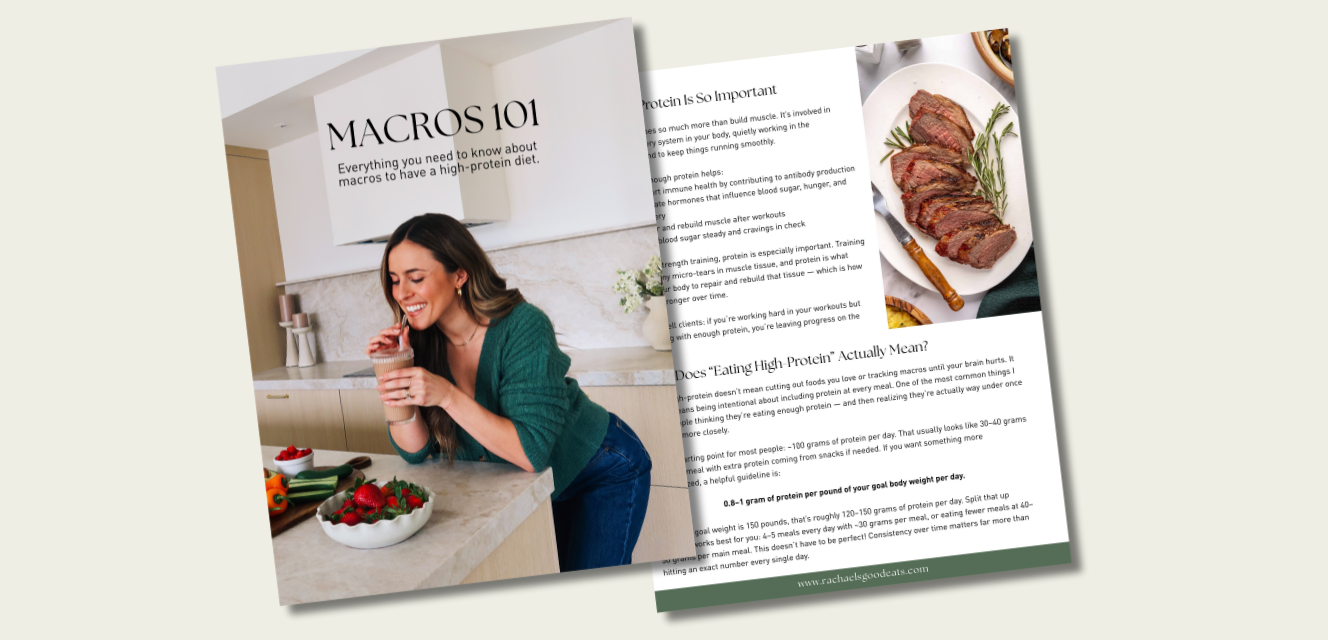
If you want to dial in for your specific needs, a good rule of thumb is around 0.8–1 gram of protein per pound of goal body weight per day for most people. You might need more if you’re super active, strength training regularly, postpartum, or trying to maintain muscle while losing fat. A high-protein diet will look different for everyone if you look closely at the numbers, but it should look the same if you don’t overthink it: a focus on high-quality animal protein sources (meat, broth, dairy), with plenty of vegetables, fruits, nuts and seeds, and even treats on your plate as well.
What About Carbs and Fats?
You will never ever hear me say that you should cut out carbs or fats! Carbs are our bodies main source of fuel, and healthy fats are crucial for hormone health, brain health, and nutrient absorption. You cannot cut these out! You need protein, fats, and carbs to have a well-balanced high-protein diet.
When protein intake goes up, carbs and fats don’t need to disappear — they just tend to be more intentional. Meals are built around protein first, then rounded out with carbs and fats that help you feel fueled, satisfied, and energized rather than depleted.
What My High-Protein Diet Looks Like
Breakfast: 40 grams of protein (I like to get ahead of it for the day!)
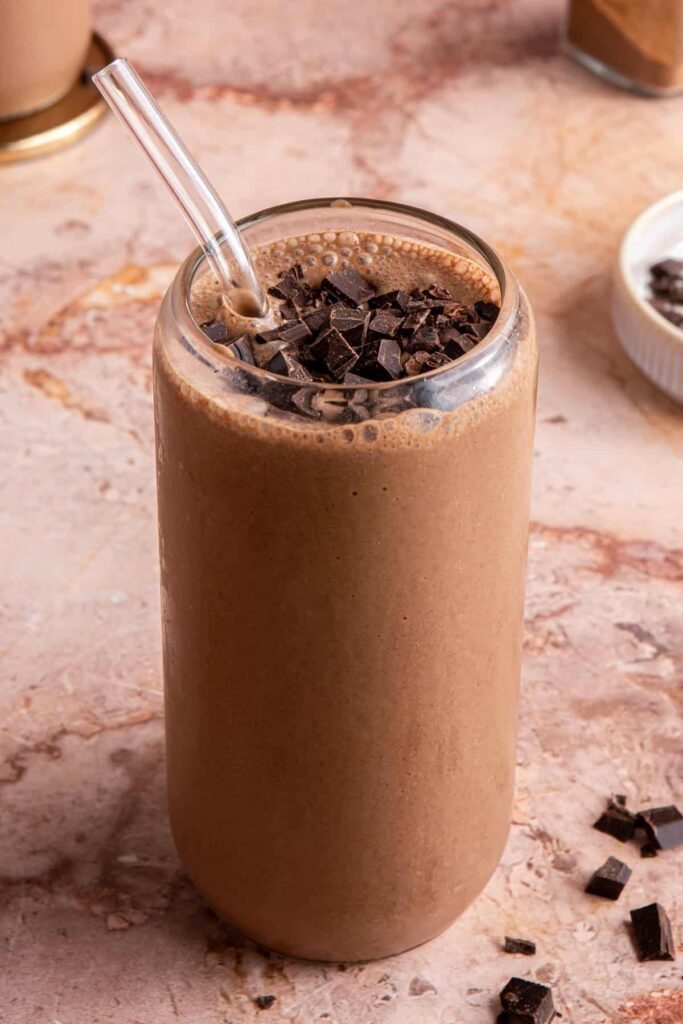
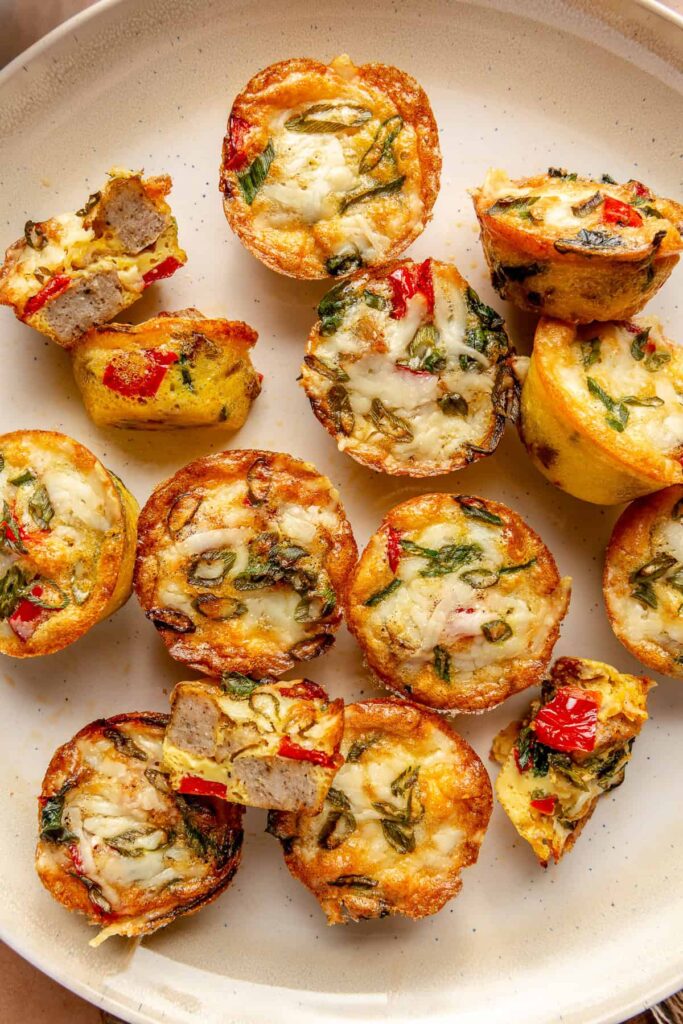
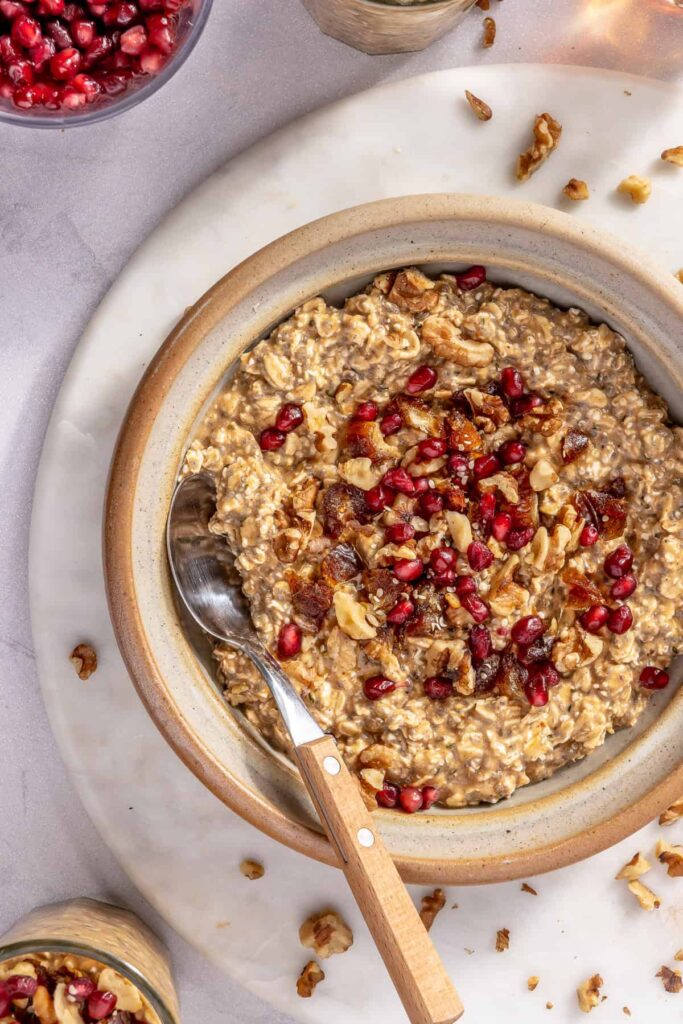
Lunch: 30-35 grams of protein
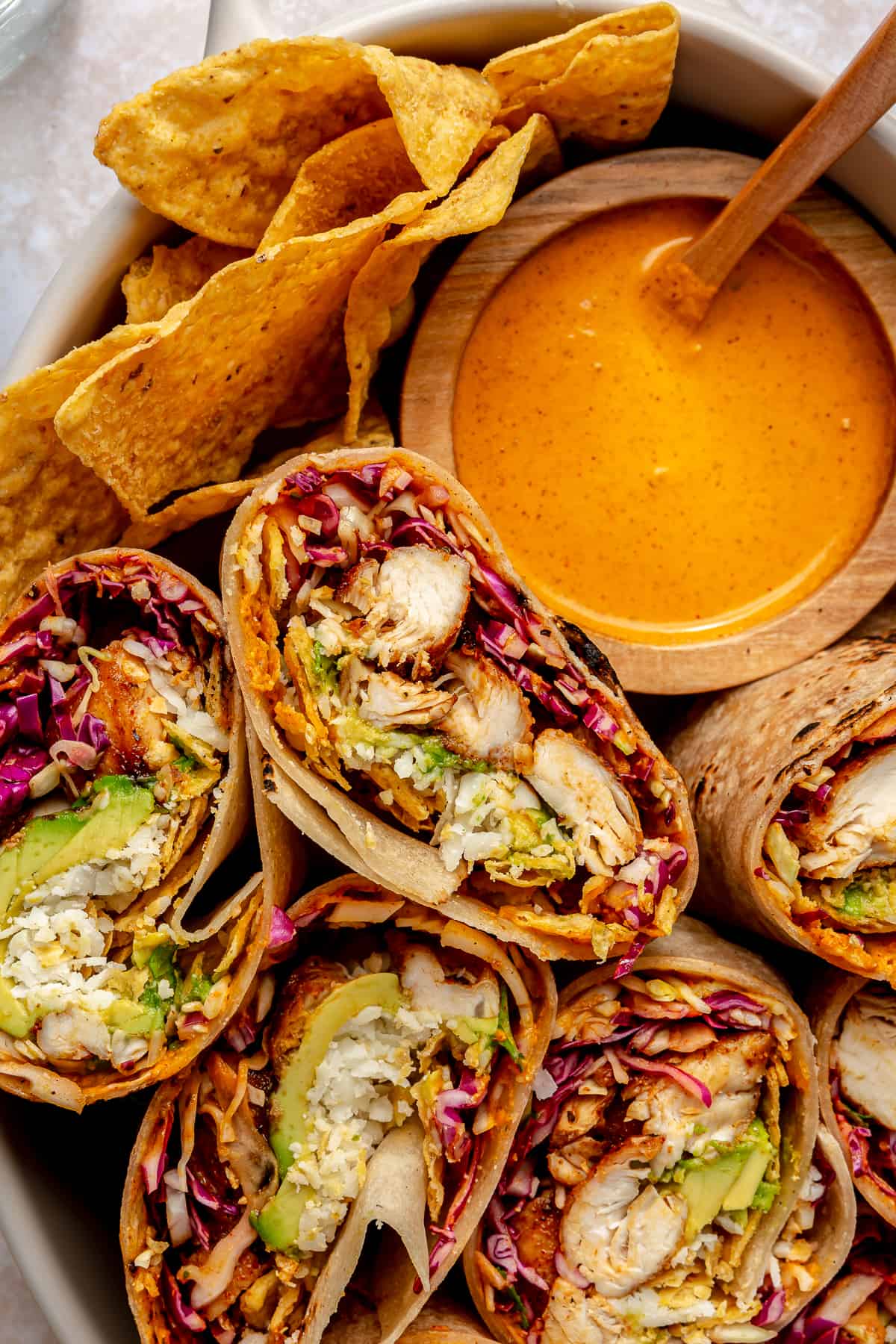
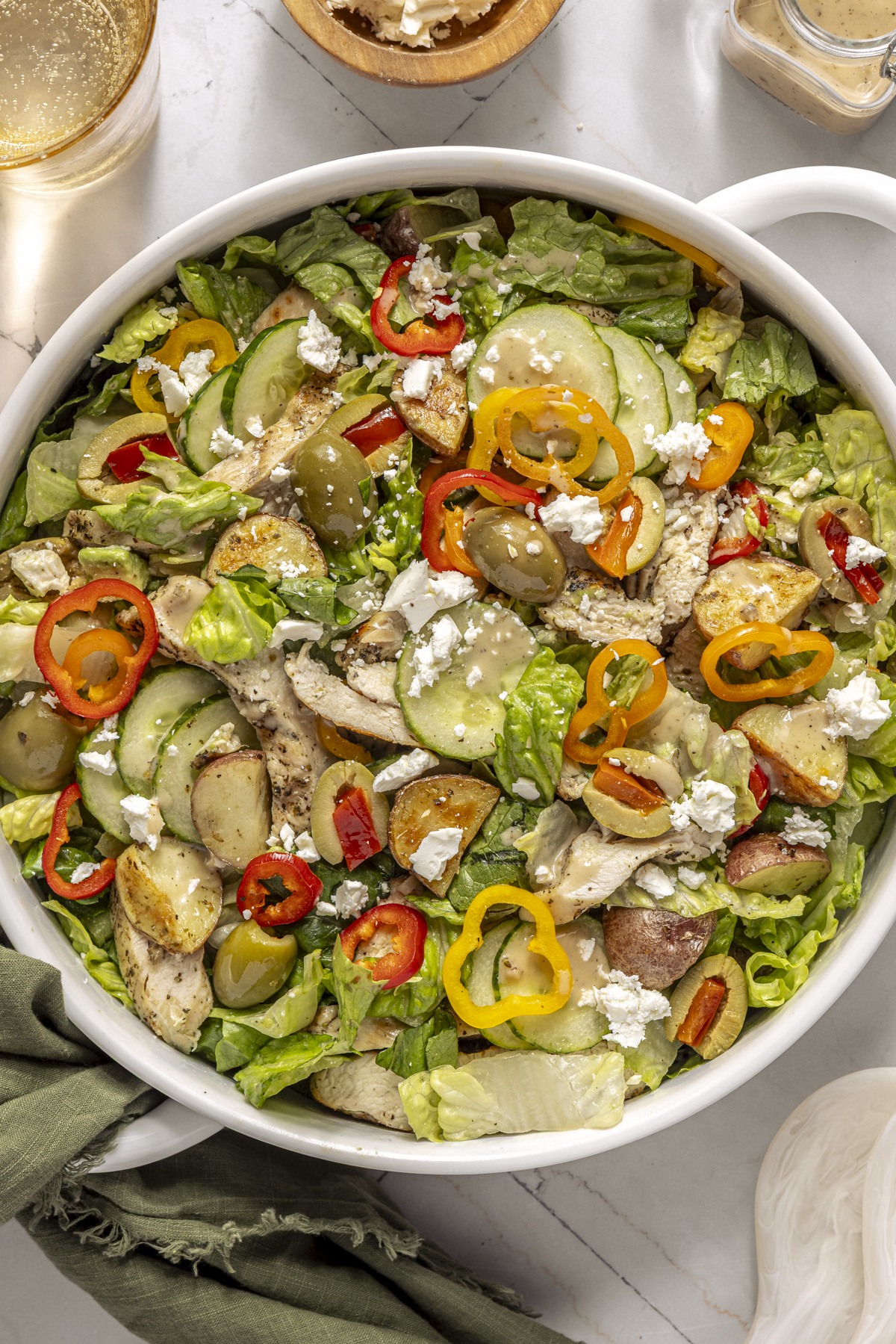
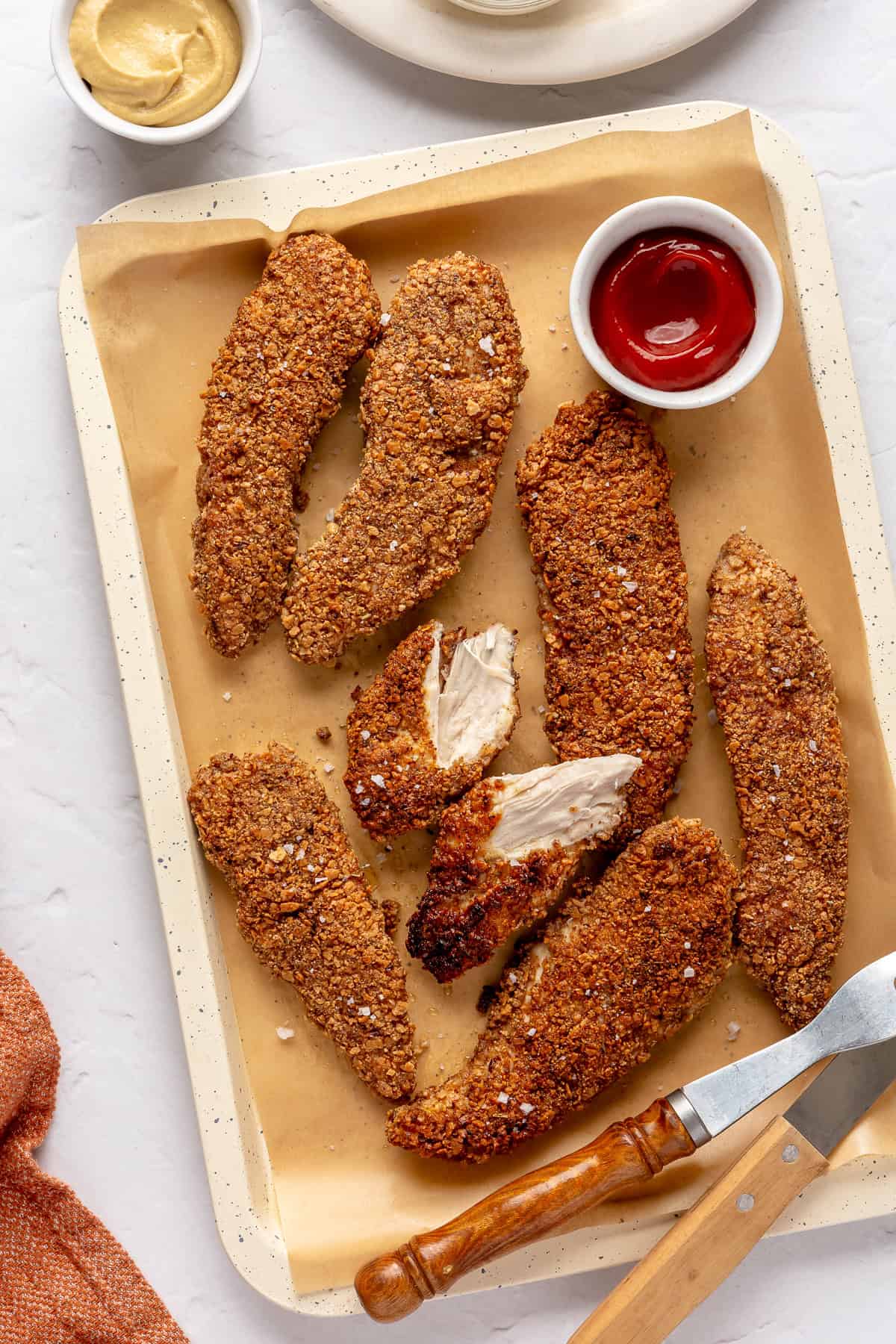
Dinner: 30-40 grams of protein
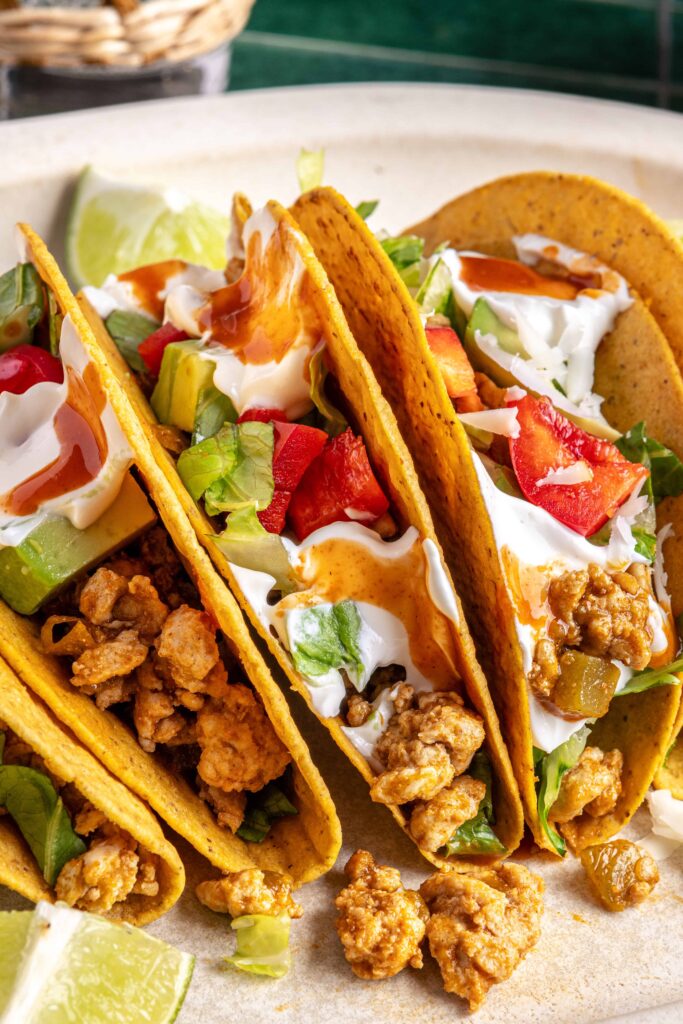

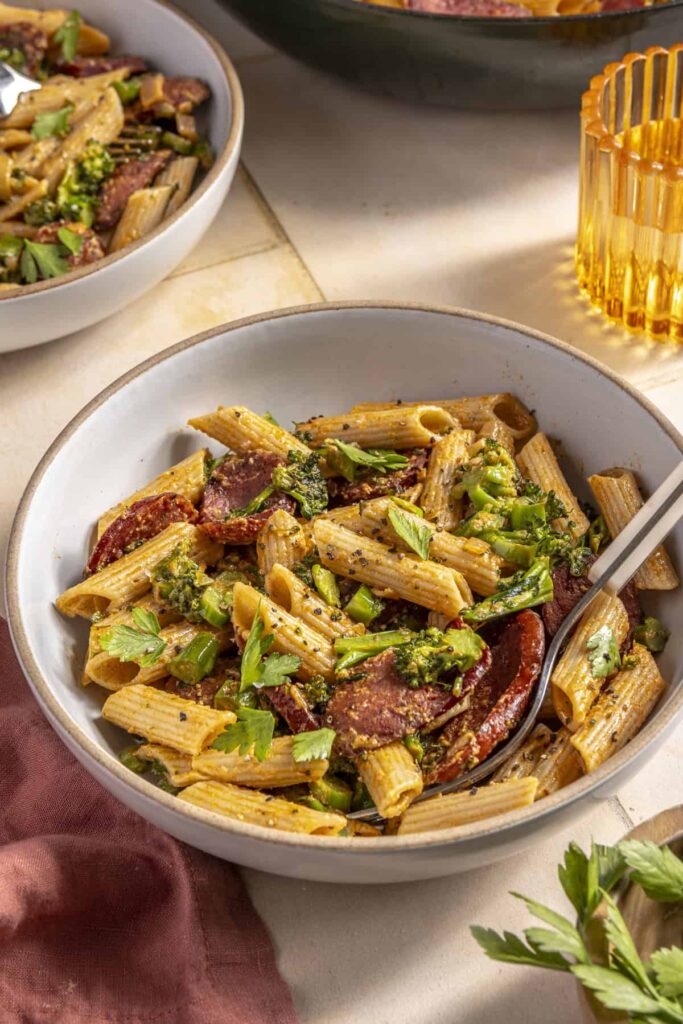
Snack: 10-12 grams of protein
How to track protein (without it taking over your life)
Tracking protein can be a helpful tool, especially if you’re unsure whether you’re eating enough. I always recommend tracking for 2-3 days, even if it’s just tracking your protein! It can be such a helpful place to start from. You don’t need to track forever, and you don’t need to be perfect for tracking to be useful. Just know that I don’t track anything ever, at all!!












Comments