
With the rise of gluten-free products and brands, I get asked this question more often than ever: “Is going gluten-free actually healthier?”
So, is a gluten-free diet healthier? Not necessarily. For people with celiac disease or certain gluten-related conditions, avoiding gluten is medically necessary. But for most people, there isn’t evidence that simply removing gluten makes an otherwise balanced diet healthier. In fact, some packaged gluten-free foods can be higher in added sugar, fat, or lower in fiber than their gluten-containing counterparts.
Here’s my honest answer, as a Registered Dietitian who has studied this and lived it myself: it depends. Going gluten-free isn’t automatically healthier or unhealthier — it comes down to preference and how it affects you specifically. For some it’s medically necessary. For others it’s genuinely life-changing. For plenty of people it makes no real difference. My philosophy is simple: the best way to eat is the one that supports your body, not whatever’s trending.
What Is Gluten, Anyway?
Gluten is a naturally occurring protein found in wheat, barley, and rye. It’s what gives bread its chewy texture and helps baked goods hold their shape. You’ll find it in bread, pasta, flour tortillas, crackers, baked goods, cereal, and some sauces and processed foods.
For most people, gluten isn’t harmful at all. But for some, it really can be — more on that below.
So, Is Gluten-Free Actually Healthier?
For most people without an underlying condition, going gluten-free doesn’t automatically make your diet healthier. Research doesn’t show that cutting out gluten improves health, reduces inflammation, boosts energy, or promotes weight loss on its own. What matters more is the quality of what replaces it.
Many packaged gluten-free products are just as processed as their regular counterparts, sometimes more so, with less fiber, fewer vitamins and minerals, more added sugar and saturated fat. A “gluten-free” label isn’t a health halo — it just means a food doesn’t contain gluten.
On the flip side, for many people, going gluten-free genuinely can be the healthier choice — just not for the reasons you might think. If gluten bothers your digestion or leaves you feeling bloated and lethargic, cutting back can make a real difference, even without a formal diagnosis.

Why I Personally Eat Mostly Gluten-Free
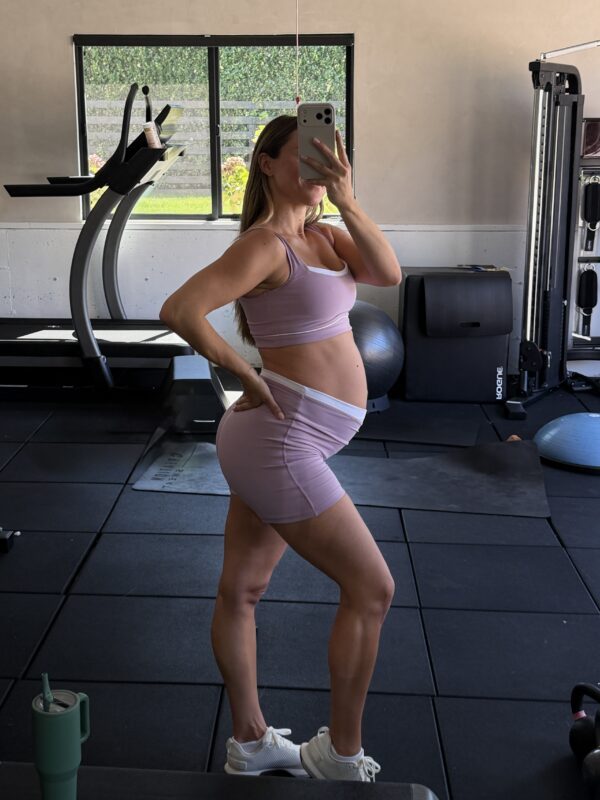
This is the question I get asked most. As an RD, my official advice is not to eliminate gluten from your diet – I personally would never recommend removing any food group completely. But I do recommend taking a look at food labels, knowing the ingredients you’re buying and cooking with, and analyzing how you feel.
I choose to eat mostly gluten-free because it’s what makes me feel my best — when I eat larger amounts of gluten, I tend to feel sluggish and weighed down. That’s my personal experience — it doesn’t mean gluten is unhealthy across the board, or that you need to avoid it too. Nutrition is deeply individual.
Who Actually Needs to Go Gluten-Free?
For some people, this isn’t about preference at all — it’s medical.
Celiac disease is an autoimmune condition where eating gluten triggers the immune system to attack the lining of the small intestine. Even tiny amounts can cause real damage, which is why strict avoidance is essential, not optional.
Wheat allergy gets confused with celiac disease a lot, but it’s different — it means avoiding wheat specifically, though depending on the exact allergy, not every gluten-containing grain may need to go.
Non-celiac gluten sensitivity is where things get interesting. Some people feel noticeably worse after eating gluten — bloating, discomfort, headaches, fatigue, brain fog — but test negative for celiac disease. Researchers are still working out why. For some, it may be fructans — a fermentable carb (FODMAP) also abundant in wheat — driving symptoms rather than gluten itself. For others, it may be a mild immune reaction that doesn’t rise to celiac levels but still causes discomfort. It’s real, even if science hasn’t mapped the exact mechanism yet.

Naturally Gluten-Free Foods: Where to Start
One of the biggest misconceptions about a gluten-free diet is that you need to rely on specialty gluten-free breads, crackers, pastas, and other packaged products. You absolutely can include these foods, but they don’t need to be the foundation of your diet.
In fact, many nutritious foods are naturally gluten-free, meaning they don’t contain gluten to begin with. Building your meals primarily around these foods can make it easier to create a balanced, nutrient-rich gluten-free diet.
Naturally gluten-free foods include:
- Fruits: Berries, apples, bananas, oranges, melon, grapes, and more
- Vegetables: Leafy greens, broccoli, peppers, carrots, tomatoes, zucchini, and more
- Potatoes and sweet potatoes: A naturally gluten-free source of carbohydrates and other nutrients
- Rice: Including white, brown, wild, and other varieties
- Quinoa: A gluten-free grain-like food that also provides protein and fiber
- Beans and legumes: Black beans, chickpeas, kidney beans, lentils, and more
- Eggs: A naturally gluten-free source of protein
- Meat and poultry: Plain, unprocessed cuts are naturally gluten-free
- Fish and seafood: Fresh, unbreaded fish and seafood are naturally gluten-free
- Nuts and seeds: Almonds, walnuts, chia seeds, pumpkin seeds, flaxseeds, and more
Many of these foods provide important nutrients like protein, fiber, vitamins, minerals, and healthy fats, making them great building blocks for balanced meals.
“But Isn’t Gluten-Free Hard?”
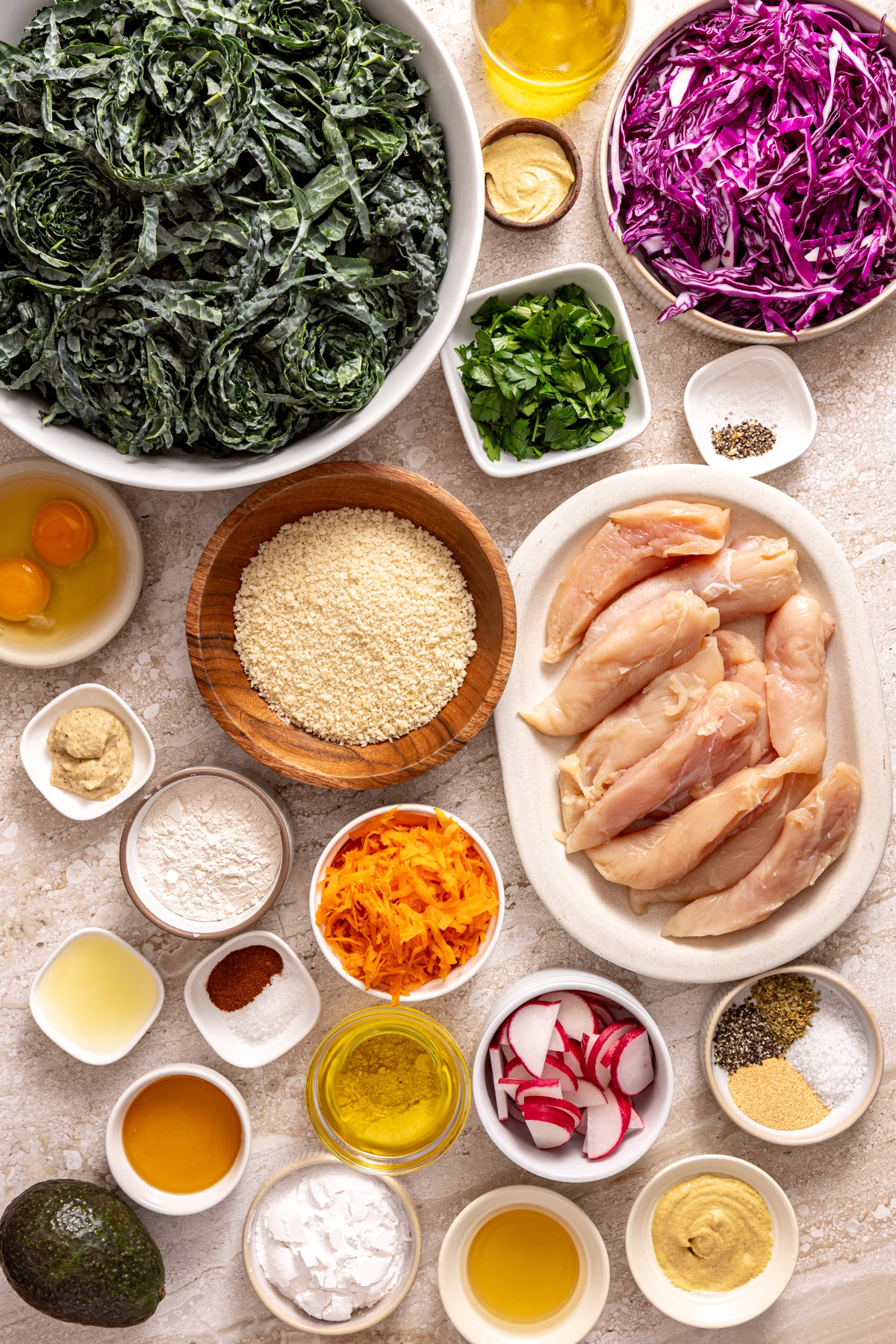
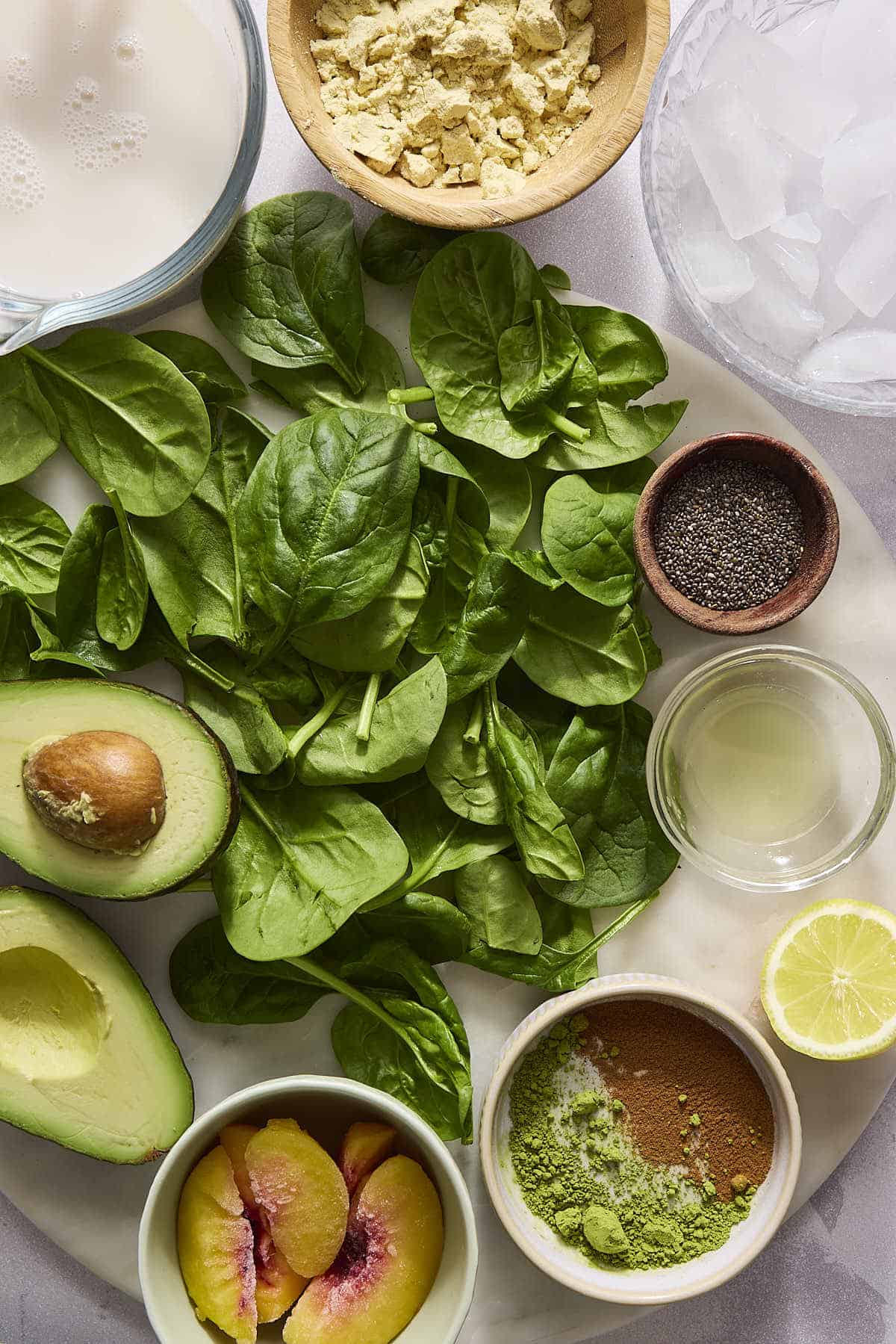
I’ll tell you from personal experience — no. I’ve never had a hard time finding high-quality ingredients or meals while eating mostly gluten-free. And, I never have to miss out on food I love! I think that is one of the biggest myths about a gluten-free diet.
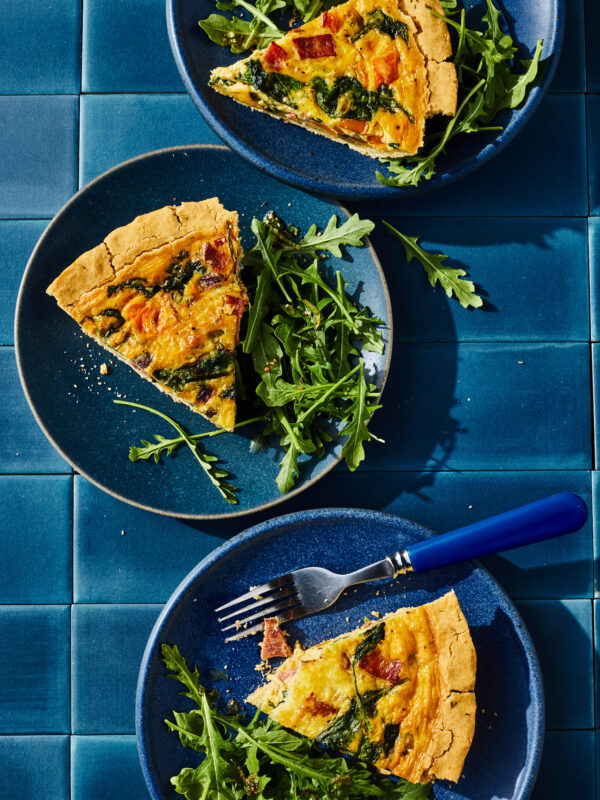
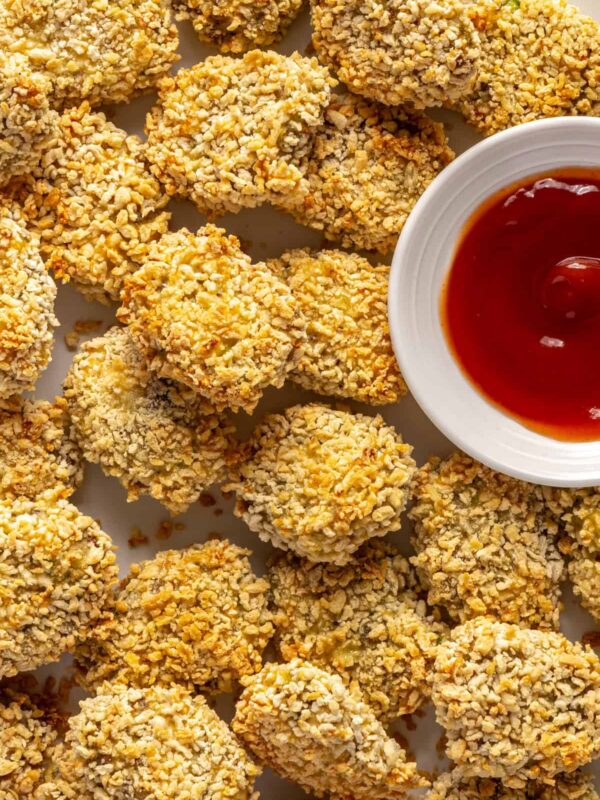
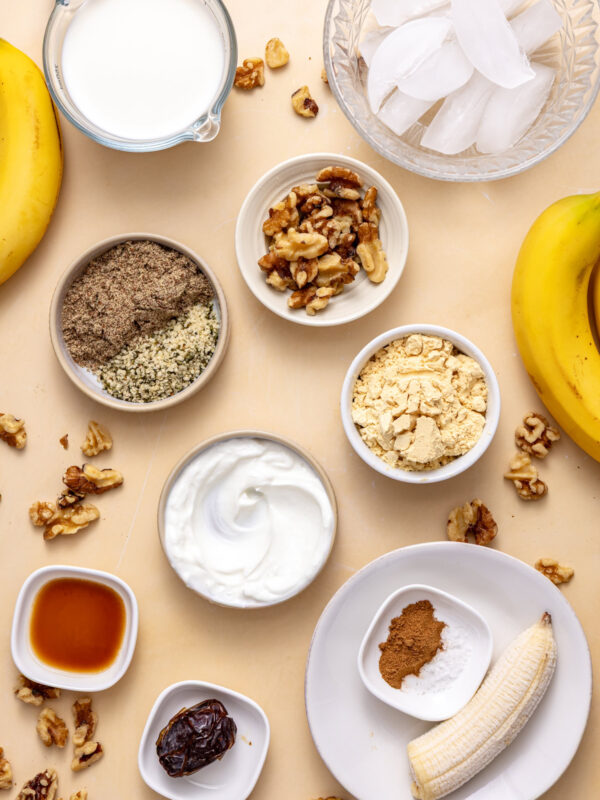
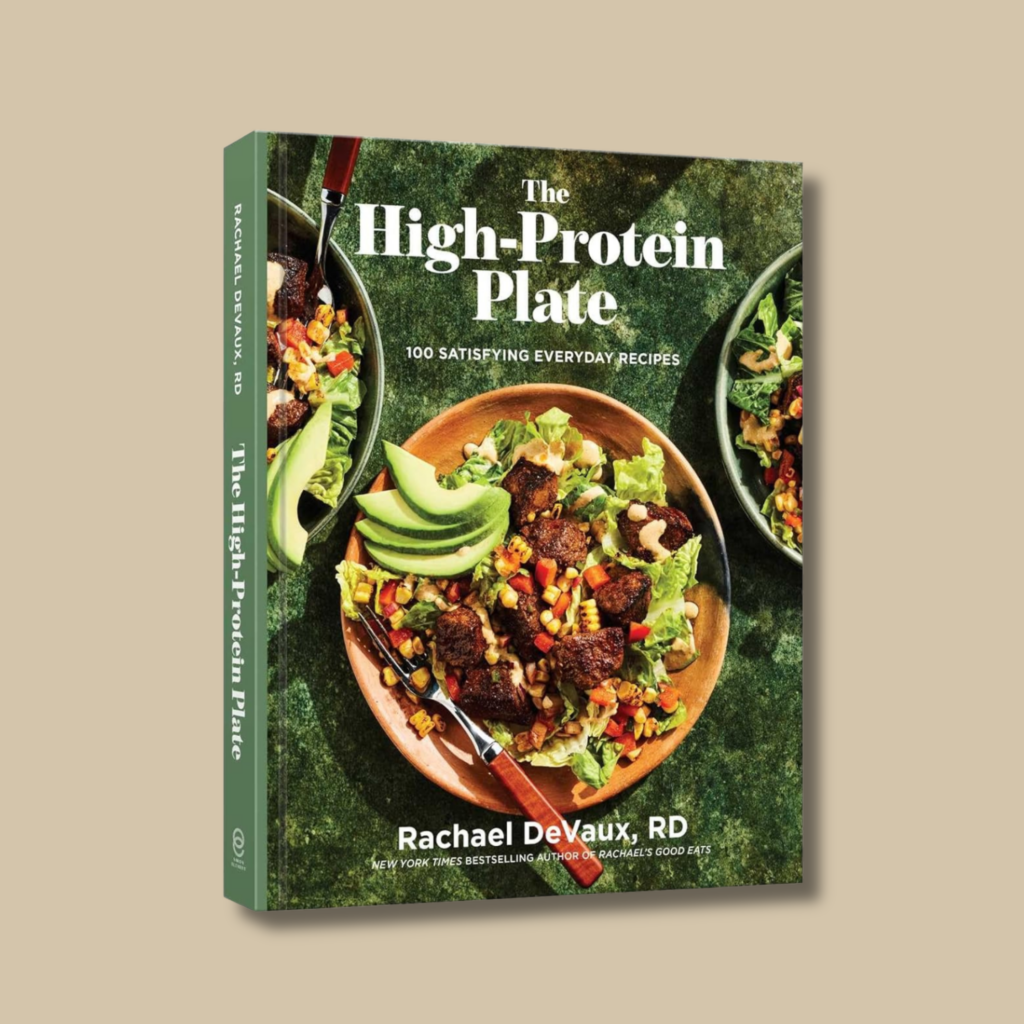
I know because I’ve built my life around it — two cookbooks (Rachael’s Good Eats and The High-Protein Plate) and a blog with hundreds of recipes, all gluten-free — because I believe you can eat delicious food without it.
The Healthiest Way to Eat Gluten-Free
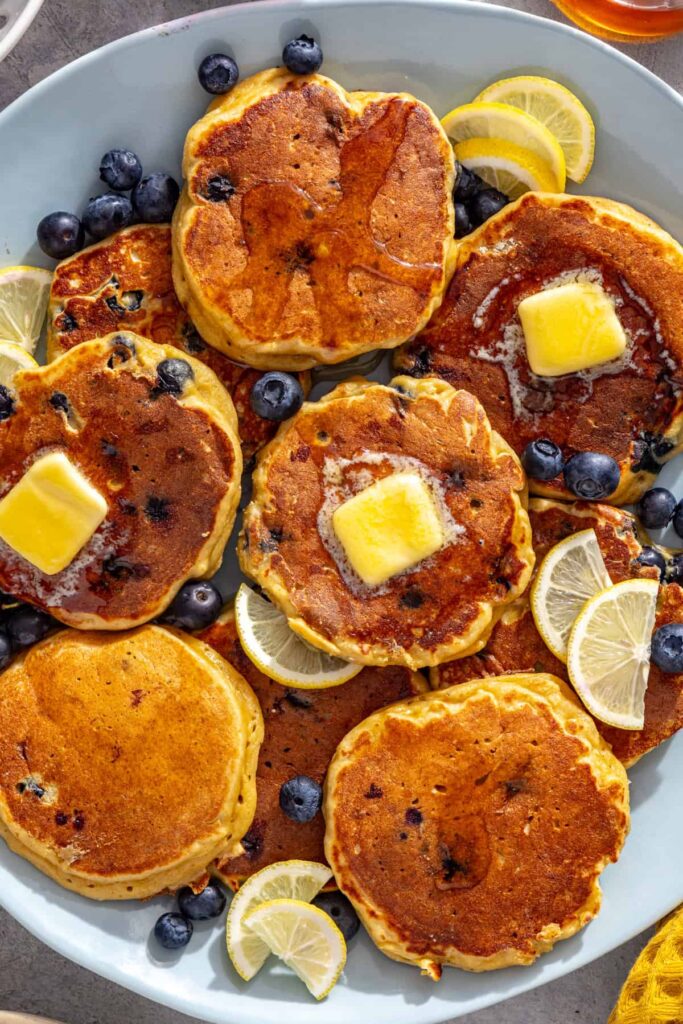
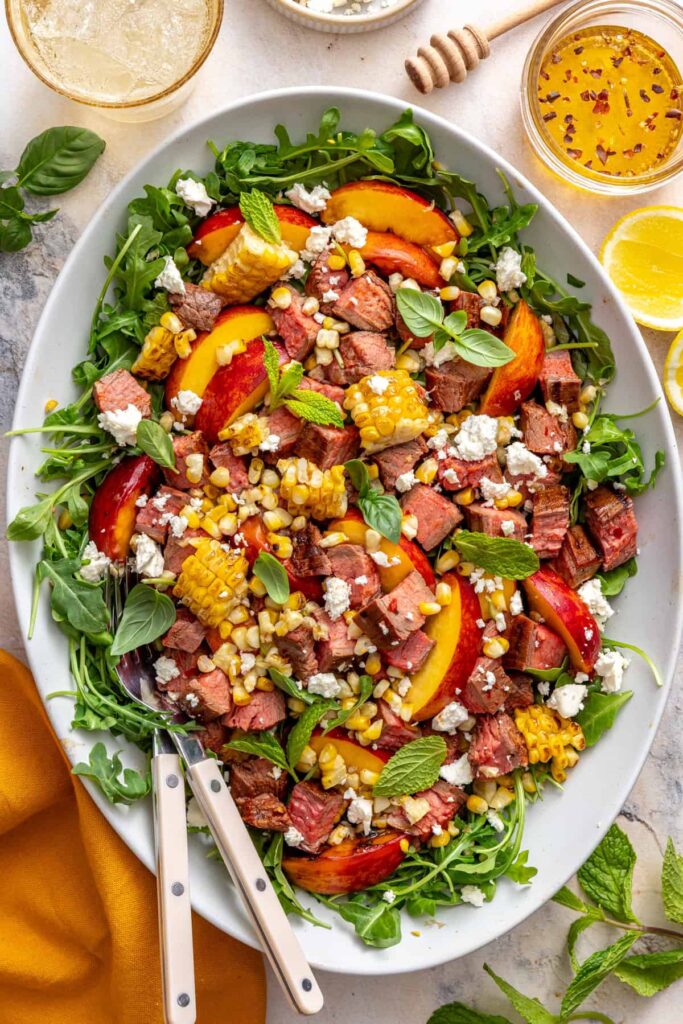
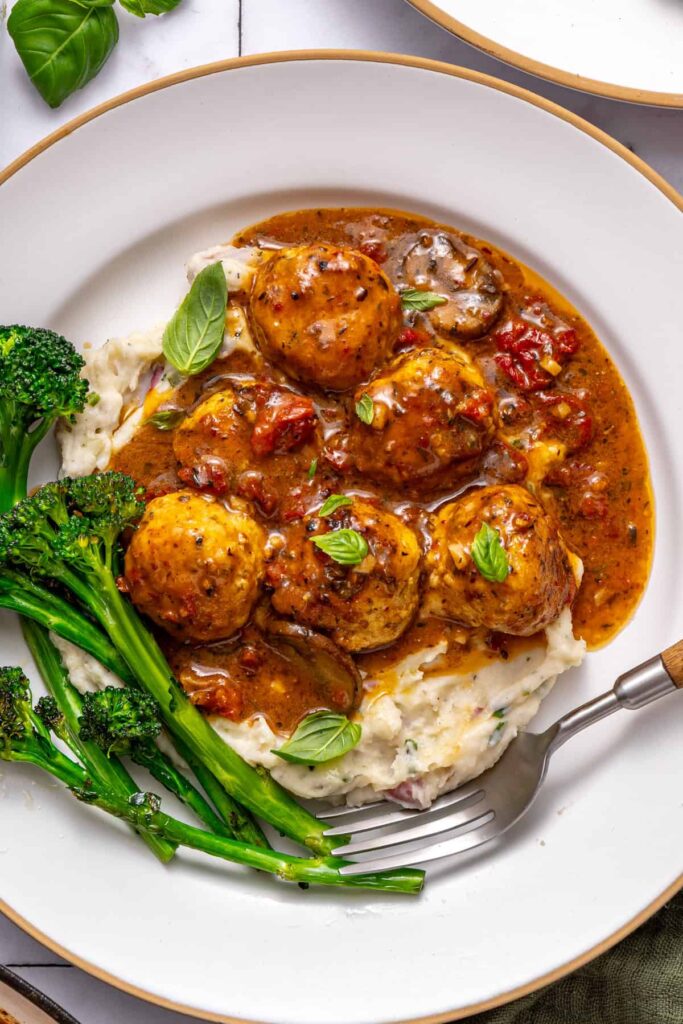
Whether you’re gluten-free for medical reasons or preference, the key is building your plate around naturally gluten-free whole foods rather than leaning too heavily on packaged substitutes: lean protein, eggs, fruits, vegetables, potatoes, rice, quinoa, beans and lentils, nuts and seeds, and certified gluten-free oats. These deliver the protein, fiber, healthy fats, vitamins, and minerals your body actually needs — gluten-free or not.
So, Should You Go Gluten-Free?
If you have celiac disease or another medically diagnosed condition — absolutely, yes.
If you simply feel better eating less gluten, that’s completely valid too. We all respond to food differently, and tuning into how your body feels is one of the most useful skills for sustainable eating.
Frequently Asked Questions
Is a gluten-free diet healthier?
Depends on the person. Without celiac disease, a wheat allergy, or non-celiac gluten sensitivity, cutting out gluten doesn’t automatically improve your diet. But if gluten genuinely bothers your body, going gluten-free can be the healthier choice for you.
Does gluten cause inflammation?
For people with celiac disease, yes. For people without it, research doesn’t support the idea that gluten causes widespread inflammation.
Can gluten make you feel tired?
Some people with celiac disease or non-celiac gluten sensitivity report fatigue after eating gluten. Others, like me, notice they feel better limiting it — but research doesn’t show it causes fatigue in healthy people broadly.
Is gluten-free better for weight loss?
Not on its own. Weight loss depends on your overall eating pattern — many gluten-free packaged foods contain similar, or even more, calories than their traditional counterparts.
Is it hard to eat gluten-free?
Not once you get the hang of it. It can feel overwhelming at first, but with the right staples and a few go-to recipes, it becomes second nature. (Genuinely why I wrote two cookbooks on it!)
What are the healthiest gluten-free foods?
Whole, naturally gluten-free foods like vegetables, fruit, lean protein, beans, potatoes, rice, quinoa, nuts, seeds, and certified gluten-free oats.