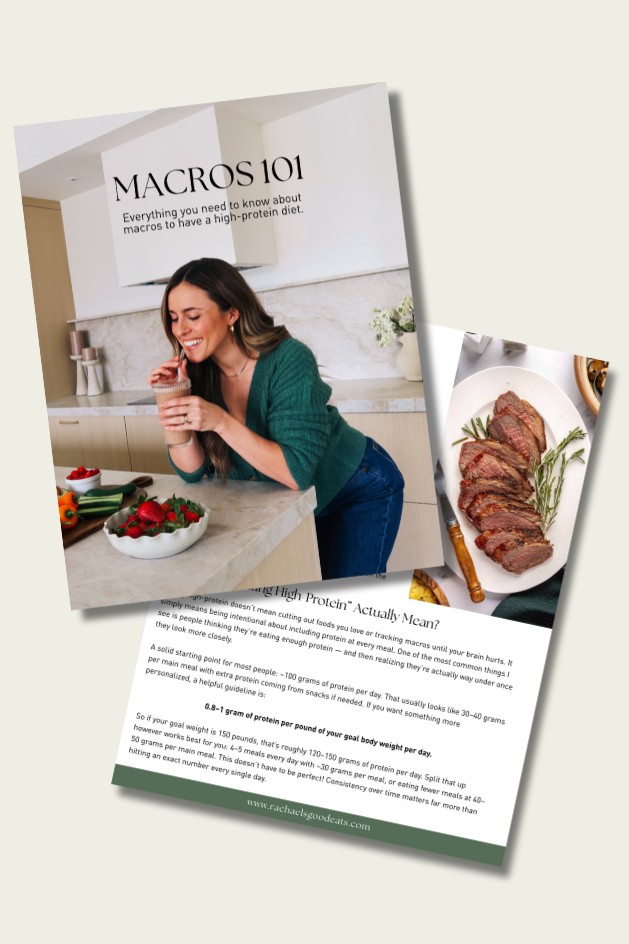

It feels like everywhere you turn these days, protein is having a moment. And I get it. I spent two years developing 100 high-protein recipes for my latest cookbook, The High-Protein Plate, so I’m very familiar with how often the conversation comes up.
A high-protein diet has made a meaningful difference in my own life. It helped me build strength before pregnancy, supported me through pregnancy, and played a big role in my recovery postpartum. So yes, I prioritize protein in my own meals.
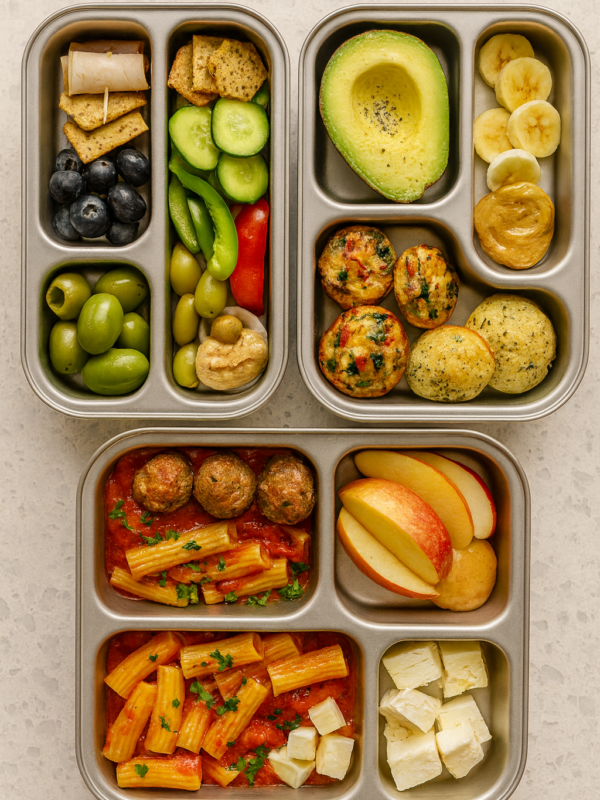
But when it comes to feeding my toddler, the approach looks a little different.
Protein matters—there’s no question about that. It plays an essential role in growth and development, and I make sure it shows up at every meal. But I’m not aiming for every meal to be as high in protein as possible. Instead, I’m focused on something more sustainable and developmentally appropriate: making sure he’s getting enough protein overall, alongside carbohydrates, healthy fats, fiber, and a wide range of vitamins and minerals that support growth.
If you’ve ever wondered how much protein kids actually need—or worried whether your child is getting enough—you’re not alone. Let’s break it down in a simple, realistic way.
Why Protein Matters for Kids
Protein is one of those foundational nutrients that supports nearly every part of a child’s growth and development. It provides the building blocks for muscles, bones, skin, organs, and tissues, while also supporting a wide range of essential functions in the body, including:
- Growth and development
- Muscle and tissue repair
- Bone health
- Immune function
- Hormone and enzyme production
- Healthy skin, hair, and nails
Because kids are growing at such a rapid pace, protein naturally becomes an important part of their daily intake—but it doesn’t have to be complicated or overly engineered.

How Much Protein Do Kids Actually Need?
Protein needs vary by age, and the Recommended Dietary Allowance (RDA) is meant to reflect the minimum amount needed to support healthy growth—not a target to hit perfectly every single day.
- Ages 1–3: 13 grams per day
- Ages 4–8: 19 grams per day
- Ages 9–13: 34 grams per day
- Ages 14–18: 46–52 grams per day
To make that feel more tangible, here’s what that looks like in real food:
- 1 large egg = ~6 grams
- 1 cup Greek yogurt = ~15–20 grams
- 3 ounces cooked chicken = ~25 grams
- 1 cup milk = ~8 grams
- 2 tablespoons peanut butter = ~8 grams
When you zoom out, it becomes clear that most kids can meet their protein needs without much effort when meals are built around a few simple, protein-containing foods.
Protein-Rich Foods for Kids
You don’t need specialty “high-protein” products to meet your child’s needs. Most of the time, the best sources are already familiar, everyday foods.
Animal-based protein sources: Eggs, Greek yogurt, cottage cheese, cheese, milk, chicken, turkey, lean ground beef, salmon, tuna.
Plant-based protein sources: Beans, lentils, chickpeas, edamame, tofu, nut butters, hemp seeds, chia seeds, quinoa.
Including a mix of these foods over time also helps expose kids to different textures, flavors, and nutrients—which supports more well-rounded eating habits long-term.
Simple Ways to Include Protein Throughout the Day
Rather than focusing on “high-protein meals,” it often helps to think in terms of steady inclusion throughout the day.
Some simple, realistic ideas:
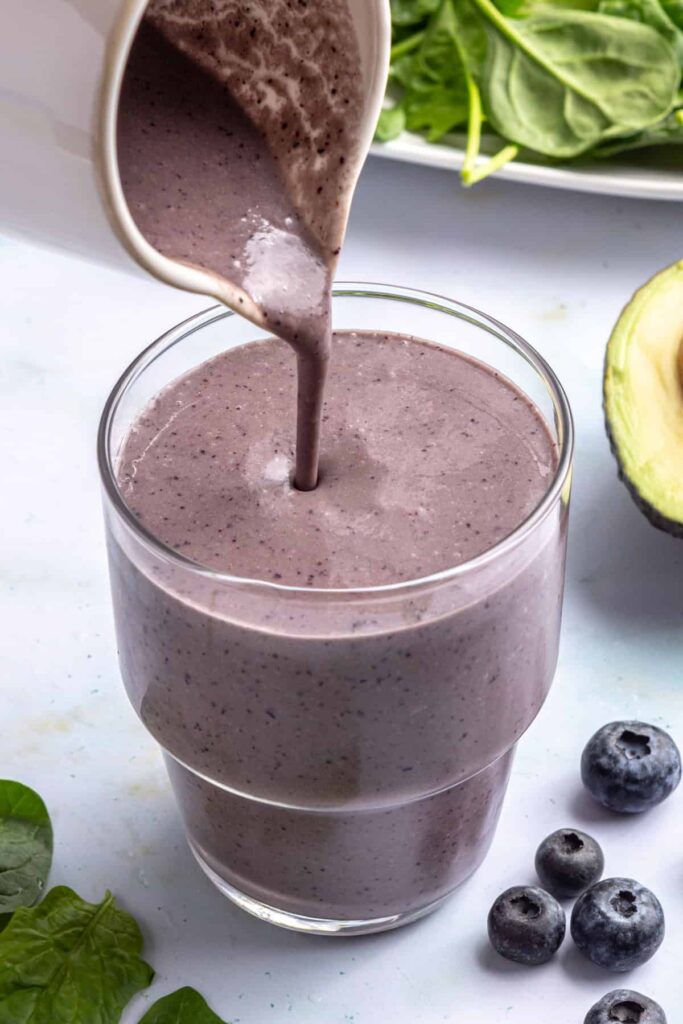
- Greek yogurt blended into smoothies
- Eggs paired with fruit at breakfast
- Oatmeal topped with hemp or chia seeds
- Fruit served with cheese or nut butter
- Hummus with vegetables
- Shredded chicken in quesadillas or tacos
- Nut butter and apple slices
- Cottage cheese mixed into eggs or stirred into sauces
Protein doesn’t need to come in a large, intentional serving every time. It adds up across the day in a very natural way when it’s consistently included.
Should You Be Worried About Protein Intake?
For most healthy children, protein deficiency is uncommon.
If your child is growing well, has a variety of foods in their diet, and your pediatrician isn’t concerned, they’re very likely meeting their protein needs.
In most cases, the bigger picture matters more than any single nutrient at any one meal.
Do Kids Need Protein Powder?
Most children can easily meet their protein needs through whole foods, which also provide fiber, healthy fats, vitamins, and minerals that supplements can’t replicate in the same way. For healthy kids eating a balanced diet, protein powders are generally unnecessary.
More Toddler Nutrition Resources
Why Limiting Added Sugar in Babies’ First 1,000 Days Matters