

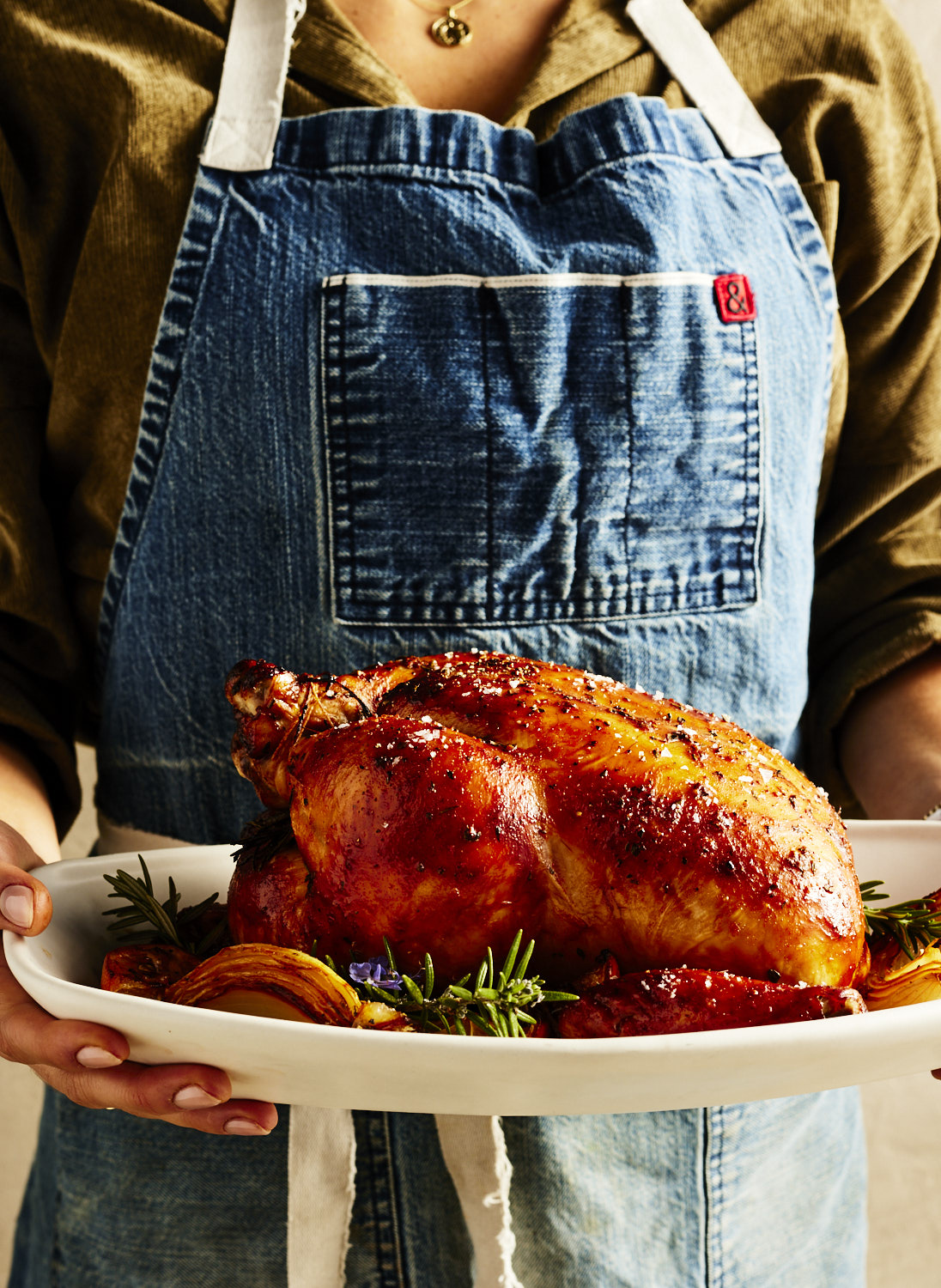
Finding the best way to cook a Thanksgiving turkey can feel like a big task, especially if you’re hosting and responsible for the main event. The good news is that cooking a juicy, flavorful turkey doesn’t have to be complicated. With a little prep, the right oven temperature, and a few helpful tips, you can make a beautiful Thanksgiving turkey with golden, crispy skin and tender meat that everyone will look forward to. I’m walking you through everything you need to know, from choosing the right size turkey to thawing, seasoning, roasting, and carving.

What Size Turkey Do You Need?
A good rule of thumb is to plan for about 1 to 1 1/2 pounds of turkey per person. This gives everyone a generous serving, with a little extra for leftovers (which are always a good thing after Thanksgiving!).
Here’s a general guide:
- 8–10 people: 10–12 pound turkey
- 10–12 people: 12–15 pound turkey
- 12–15 people: 15–18 pound turkey
- 15–18 people: 18–22 pound turkey
- 18–20 people: 22–24 pound turkey
If you have a smaller group but love having leftover turkey for sandwiches, soups, and meal prep, don’t be afraid to go a little bigger!
How to Thaw a Frozen Turkey
If you’re buying a frozen turkey, the most important thing is giving yourself enough time to thaw it completely before Thanksgiving. The safest and easiest method is thawing it in the refrigerator. Keep the turkey in its original packaging and place it on a rimmed baking sheet or in a large pan to catch any liquid.
Plan for approximately 24 hours of refrigerator thawing time for every 4–5 pounds of turkey. For example:
- 8–12 pounds: 2–3 days
- 12–16 pounds: 3–4 days
- 16–20 pounds: 4–5 days
- 20–24 pounds: 5–6 days
If you’re short on time, you can also thaw a turkey in cold water. Keep it sealed in a leak-proof bag, fully submerge it in cold water, and change the water every 30 minutes. Allow approximately 30 minutes per pound and cook immediately once thawed. Never thaw a turkey on the counter at room temperature.
How to Prepare a Turkey for Roasting
Once your turkey is completely thawed, it’s time to get it ready for the oven. A few simple preparation steps help create flavorful meat and beautifully golden skin.
- Remove the packaging and giblets. Check both the main cavity and neck cavity for the neck and giblet packages. Remove them before cooking.
- Pat the turkey dry. Use paper towels to thoroughly pat the outside of the turkey dry. Avoid rinsing the turkey, as this can spread raw poultry juices around your sink and kitchen.
- Season generously. Rub softened butter or olive oil over the outside of the turkey and, if possible, underneath the skin over the breast meat. Season the skin and cavity with salt, black pepper, and your favorite herbs and spices.
- Add aromatics. For extra flavor, add quartered onion, garlic cloves, fresh rosemary, thyme, or lemon to the cavity. These add aroma while the turkey roasts but shouldn’t be packed in tightly.
- Prepare your roasting pan. Place the turkey breast-side up on a roasting rack inside a large roasting pan. Tuck the wing tips underneath the body to help prevent them from browning too quickly.
I recommend keeping the stuffing separate and baking it in its own dish. This makes it easier to cook the turkey evenly and ensures the stuffing reaches a safe temperature without overcooking the meat.
Best Temperature to Cook a Thanksgiving Turkey
The best oven temperature for roasting a whole Thanksgiving turkey is 325°F. This allows the turkey to cook steadily without drying out the outside before the inside is done.
Place the turkey breast-side up on the center rack of your oven. Roast uncovered, allowing the skin to turn golden brown as the meat cooks. If the skin starts browning too quickly, loosely tent the turkey with aluminum foil for the remainder of the cooking time.
There’s no need to constantly open the oven or baste the turkey. Keeping the oven closed helps maintain a consistent temperature and allows the turkey to cook evenly.
How Long to Cook a Thanksgiving Turkey
The amount of time your turkey needs in the oven depends on its weight and whether it’s stuffed. At 325°F, an unstuffed turkey generally takes about 13–15 minutes per pound, although cooking times can vary.
Here’s an approximate roasting guide for an unstuffed turkey:
| Turkey Weight | Approximate Cook Time |
|---|---|
| 8–12 pounds | 2¾–3 hours |
| 12–14 pounds | 3–3¾ hours |
| 14–18 pounds | 3¾–4¼ hours |
| 18–20 pounds | 4¼–4½ hours |
| 20–24 pounds | 4½–5 hours |
These times are a starting point, not a guarantee. Always use a meat thermometer to check for doneness rather than relying on cooking time alone.


How to Tell When Your Turkey Is Done
The most reliable way to know when your Thanksgiving turkey is ready is with an instant-read meat thermometer. The turkey needs to reach an internal temperature of 165°F to be safe to eat.
Check the temperature in three places:
- The thickest part of the breast
- The innermost part of the thigh
- The innermost part of the wing
Make sure the thermometer isn’t touching bone, as this can give you an inaccurate reading. If any area hasn’t reached 165°F, return the turkey to the oven and continue cooking, checking again after a little more time.
Don’t rely on the color of the skin, the juices running clear, or a pop-up timer to determine whether your turkey is fully cooked.
How to Keep Your Thanksgiving Turkey Juicy
Nobody wants dry turkey, especially when it’s the centerpiece of Thanksgiving dinner! A few simple things can help keep the meat tender and flavorful:
- Don’t overcook it. Use a meat thermometer and start checking the temperature toward the earlier end of the estimated cooking window.
- Season underneath the skin. Adding softened butter and seasoning directly to the breast meat helps distribute flavor throughout the turkey.
- Avoid opening the oven too often. Every time you open the oven, heat escapes and can extend the cooking time.
- Let the turkey rest. This is one of the most important steps for keeping the meat juicy once it’s carved.
How Long to Let a Turkey Rest Before Carving
Once your turkey reaches 165°F, remove it from the oven and let it rest for approximately 20–30 minutes before carving. Loosely tent it with aluminum foil to help retain warmth without trapping too much steam against the skin.
Resting gives you time to finish preparing the rest of your Thanksgiving meal, too! Once rested, transfer the turkey to a cutting board and use a sharp carving knife to separate the legs, thighs, and wings before slicing the breast meat.
Frequently Asked Questions
Should I cover my turkey while roasting?
Roast your turkey uncovered to help the skin brown and crisp up. If the skin becomes too dark before the turkey is fully cooked, loosely cover it with aluminum foil.
Should I cook my turkey breast-side up or down?
Place the turkey breast-side up on a roasting rack. This allows the breast skin to brown evenly and makes it easier to monitor the turkey as it cooks.
Do you need to baste a turkey?
Basting is optional, but it isn’t necessary for a juicy turkey. Opening the oven repeatedly to baste can lower the oven temperature and extend cooking time. Proper seasoning, avoiding overcooking, and allowing the turkey to rest are more important.
Can I prepare my turkey the night before Thanksgiving?
Yes! You can remove the giblets, pat the turkey dry, and season it the day before. Store it covered in the refrigerator until you’re ready to roast. This can save you some valuable prep time on Thanksgiving morning.
How long can leftover turkey stay in the refrigerator?
Store leftover turkey in airtight containers in the refrigerator within two hours of cooking. Enjoy within 3–4 days, or freeze for longer storage.