


If you’ve spent any time in the wellness world lately, you’ve probably heard someone talking about creatine.
For years, it was treated like a supplement reserved for bodybuilders and professional athletes. Meanwhile, women were over here being told to focus on cardio and tiny dumbbells.
Thankfully, the conversation is starting to shift.
Creatine is one of the most researched supplements on the market, with decades of evidence supporting its safety and effectiveness. Yet it’s still incredibly misunderstood. Every time I talk about creatine on Instagram, I get the same questions: Will it make me gain weight? Do I have to load it? Is it actually safe? And safe during pregnancy and postpartum? And I’ll address all of these below.
As a dietitian, it’s one of the supplements I feel most confident recommending because we have so much research on it. And while creatine isn’t a magic powder, it can be a really helpful tool for supporting strength, performance, recovery, muscle health, and even brain health.
That’s one of the reasons I’ve become so interested in creatine over the last few years. Yes, the physical benefits are great, but I’m equally fascinated by the growing research on cognition. As a busy mom, entrepreneur, and someone constantly juggling a lot of mental load, the potential benefits for focus, memory, and mental energy are incredibly interesting to me.
What Is Creatine?
Creatine is a naturally occurring compound found in your muscles and brain. Your body makes some creatine on its own, and you also get small amounts from foods like red meat and seafood.
Its primary job is helping your body produce energy. More specifically, creatine helps regenerate ATP (adenosine triphosphate), which is the main energy source your cells use during short bursts of activity like lifting weights, sprinting, jumping, or even carrying a toddler around all day.
The thing is, your body’s natural creatine stores are limited. Supplementing with creatine helps increase those stores, giving your muscles and brain a larger reserve to pull from when energy demands are high.
In other words, creatine doesn’t directly build muscle. It helps you perform better, recover better, and support the energy systems that make those things possible.
Why Creatine Is Beneficial for Women
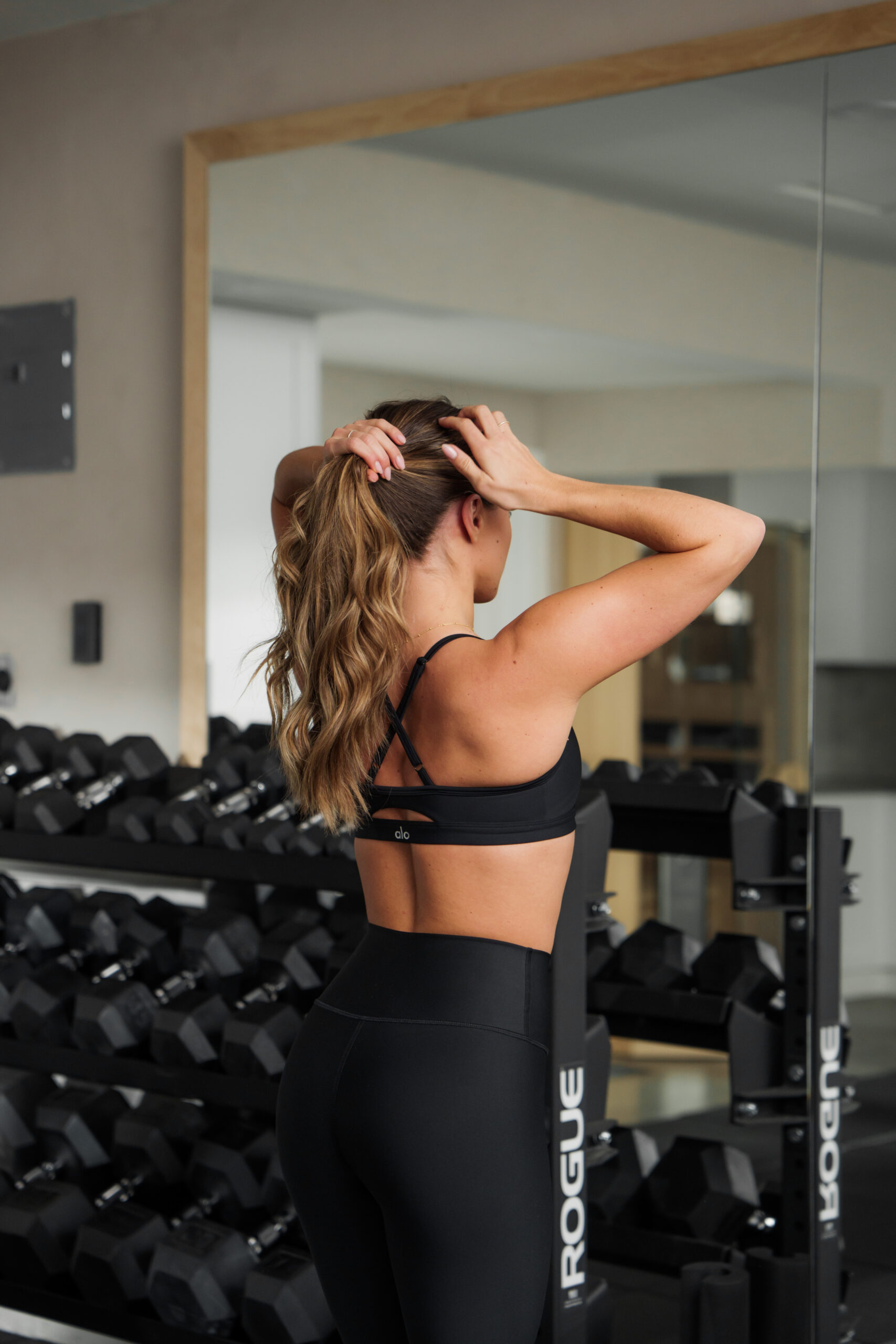
1. Supports Strength, Performance, and Lean Muscle
If your goal is to get stronger, creatine is probably the supplement with the most research behind it.
Research consistently shows that creatine supplementation can improve strength, power output, exercise performance, and lean muscle mass when combined with resistance training. A 2022 position stand from the International Society of Sports Nutrition concluded that creatine monohydrate is both safe and effective for improving exercise performance and supporting muscle growth.
What does that actually mean in real life?
It may help you squeeze out an extra rep, lift slightly heavier weights, recover faster between sets, and ultimately make more progress over time.
2. Supports Brain Health and Cognitive Function
This is the benefit that has me most excited lately.
Most people think of creatine as a muscle supplement, but your brain uses a tremendous amount of energy every single day. Because creatine plays a role in cellular energy production, researchers have started exploring its potential effects on cognition as well.
Emerging research suggests creatine may support memory, focus, mental processing, and cognitive performance—particularly during periods of sleep deprivation, stress, or increased mental demand.
As a mom and business owner, that’s the research that immediately caught my attention. Strength gains are great, but anything that may help support mental clarity during busy seasons of life is incredibly interesting to me.
Looking back, I took creatine on and off during pregnancy and postpartum, but I wasn’t very consistent with it. Given what we’re continuing to learn about creatine’s potential benefits for both physical and cognitive health, it’s one of the supplements I wish I had prioritized more consistently during those seasons. This is the creatine both Bridger and I take daily now.
While we still need more research in women specifically, the early findings are promising.
3. May Support Recovery
Hard workouts create stress on the body—and that’s not a bad thing. It’s how we adapt and get stronger.
Creatine may help support recovery by increasing water content within muscle cells and supporting cellular hydration. Some research also suggests it may help reduce exercise-induced muscle damage and inflammation following intense training.
Translation: you may not feel quite as wrecked after leg day.
4. May Be Especially Helpful During Certain Stages of Life
One reason creatine has become such a hot topic among women’s health experts is because researchers are beginning to explore how it may support women throughout different life stages.
There’s growing interest in creatine’s potential role during pregnancy, postpartum, perimenopause, and menopause due to its effects on muscle, energy metabolism, and cognitive function.
While many of these areas are still being studied, the conversation around creatine has expanded far beyond athletic performance—and I think we’re only scratching the surface of what we’ll learn over the next decade.
Common Myths About Creatine for Women

“Creatine Causes Weight Gain”
This is probably the most common concern I hear.
Creatine can cause a small increase on the scale initially because it pulls water into your muscle cells. That’s very different from gaining body fat.
In fact, many women notice they look stronger, fuller, and more defined once they’ve been consistently taking creatine while strength training.
“Creatine Will Make Me Bulky”
No supplement can magically make you bulky.
Building significant amounts of muscle takes years of intentional training, adequate nutrition, and consistency.
Creatine simply helps support the work you’re already doing in the gym.
“It’s Only for Men”
Absolutely not.
Women have just as much cellular need for creatine as men do. In fact, some researchers believe women may have even more to gain from supplementation during certain life stages when energy demands and muscle preservation become especially important.
“You Have to Load Creatine”
Not necessarily.
A loading phase can saturate muscles more quickly, but it isn’t required.
Most people can simply take 3–5 grams daily and achieve the same benefits over time.
How to Take Creatine
Here’s the good news: creatine is incredibly simple.
- Take 3–5 grams daily.
- No loading phase required.
- No fancy timing strategy required.
- No need to save it only for workout days.
Consistency matters far more than timing. Creatine works by gradually saturating your muscles over time, so taking it daily is what moves the needle.
I typically mix mine into my morning coffee using a handheld frother, but you can also add it to water, a smoothie, or a protein shake.
When shopping, look for creatine monohydrate (the most studied form). It’s the most researched, most effective, and typically the most affordable form available. This is my personal favorite brand of creatine linked here. I chose this creatine because it uses Creavitalis®, a highly purified, third-party tested form that’s known for better absorption and zero grit or bloating.
Creatine During Pregnancy and Breastfeeding
This is one of the areas I get asked about most often.
The research surrounding creatine during pregnancy is fascinating and continues to evolve.
Some early studies suggest creatine may play a protective role during fetal development, particularly in situations where oxygen delivery may be compromised during labor and delivery. Researchers have also explored its potential role in supporting fetal brain development and reducing certain birth-related complications.
That said, it’s important to acknowledge that much of this research is still emerging, and we need larger human studies before broad recommendations can be made.
My guess is we’ll be hearing a lot more about creatine and pregnancy in the coming years.
When it comes to breastfeeding, creatine is naturally present in breast milk, and researchers continue to investigate whether maternal supplementation could influence infant creatine status. At this point, however, the evidence remains limited.
As always, if you’re pregnant or breastfeeding and considering creatine supplementation, I recommend discussing it with your OB, midwife, or healthcare provider first.
Is Creatine Safe?
Short answer: yes.
Long answer: creatine monohydrate is one of the most extensively studied dietary supplements available.
Decades of research have consistently demonstrated its safety in healthy adults when taken at recommended doses. The International Society of Sports Nutrition states that creatine supplementation is not only safe, but may provide benefits that extend beyond exercise performance.
Of course, supplements should always be individualized. If you have underlying kidney disease, are pregnant, breastfeeding, or have concerns about supplementation, talk with your healthcare provider before starting.
Who Should Consider Creatine?
Creatine may be worth considering if you:
- Strength train regularly
- Want to build or maintain muscle
- Participate in high-intensity exercise
- Eat little or no red meat
- Want support for recovery and performance
- Are interested in supporting cognitive function, focus, or brain health
- Are entering perimenopause or menopause
- Simply want another tool to support an active lifestyle
That said, creatine isn’t mandatory.
I always tell people that supplements should supplement a solid foundation—not replace one.
Prioritizing protein, strength training, sleep, hydration, and overall nutrition will move the needle far more than any supplement ever could. But when those basics are in place, creatine can be a really helpful addition.
A Note on Endometriosis
Research in this area is still evolving, but a few recent laboratory studies have raised questions about whether creatine could potentially influence biological pathways involved in endometriosis progression. These studies found that creatine may affect certain cellular processes linked to lesion growth and survival. However, it’s important to note that this research has been conducted in cell and animal models—not human clinical trials—and we do not currently have evidence showing that creatine supplementation worsens endometriosis symptoms or outcomes in women.
If you have endometriosis and are considering creatine supplementation, it may be worth discussing with your healthcare provider while we await more human research.
Frequently Asked Questions
How long does creatine take to work?
Most people reach full muscle saturation within 2–4 weeks of consistent use.
Do I need to take creatine every day?
Yes. Daily consistency matters more than timing.
What happens if I stop taking creatine?
Your body’s creatine stores will gradually return to baseline levels over several weeks. You won’t suddenly lose all of your muscle.
What type of creatine should I buy?
Creatine monohydrate is considered the gold standard because it’s the most studied, most effective, and most affordable form available.
Can I add creatine to hot coffee?
Yes! Creatine monohydrate is generally stable in hot beverages like coffee or tea. While creatine can gradually break down if left in hot liquid for long periods of time, mixing it into your morning coffee and drinking it as usual is perfectly fine.
References
Kreider RB, et al. International Society of Sports Nutrition Position Stand: Safety and Efficacy of Creatine Supplementation in Exercise, Sport, and Medicine. Journal of the International Society of Sports Nutrition. 2022.
Smith-Ryan AE, Cabre HE, Eckerson JM, et al. Creatine Supplementation in Women’s Health: A Lifespan Perspective. Nutrients. 2021.
Avgerinos KI, Spyrou N, Bougioukas KI, Kapogiannis D. Effects of Creatine Supplementation on Cognitive Function of Healthy Individuals: A Systematic Review of Randomized Controlled Trials. Experimental Gerontology. 2018.
Candow DG, Forbes SC, Chilibeck PD, et al. Creatine Supplementation and Women’s Health: Emerging Evidence and Future Directions. Nutrients. 2024.
Chen S, Liu Y, Ma X, et al. Creatine promotes endometriosis progression by inducing M2 polarization of peritoneal macrophages. Reproduction. 2025;169(3):e240278. DOI: 10.1530/REP-24-0278.
Chen S, Ma X, Liu Y, et al. Creatine Promotes Endometriosis by Inducing Ferroptosis Resistance via Suppression of PrP. Advanced Science. 2024;11(38):e2403517.
Click here for my go-to creatine brand.

















This is a great summary. I have done a lot of research on my own about creatine while breastfeeding, and have been frustrated that my care providers don’t have a robust enough understanding to tell me whether they think it’s safe or not. Thank you for compiling this with sources!