
Protein is one of the most important nutrients to focus on during pregnancy—but that won’t be surprising coming from me at this point (you know what I mean). Trying to figure out exactly how much protein you need during all 3 trimesters can feel overwhelming, especially on top of all the other nutrition recommendations to navigate. Between nausea, increased hunger, fatigue, and busy days, hitting your needs can feel more complicated than it should.
Why Protein Matters More Than Ever During Pregnancy
During pregnancy, your body is doing a lot: building a baby, supporting a growing placenta, increasing blood volume, and maintaining your own muscle and tissue.
Protein plays a key role in all of it. It supports your baby’s growth, helps keep your energy stable, and can even make a difference in how full and satisfied you feel throughout the day.
But (!!!) unfortunately most general recommendations are too low in overall protein needs. If you’re working out regularly, or maybe just chasing around other kids all day, your overall nutrition needs, especially protein, are much higher. I’m not saying you have to buy protein popcorn, but making sure you’re getting enough should be a major focus of your day to day.
So, Exactly How Much Protein During Pregnancy Do You Need?
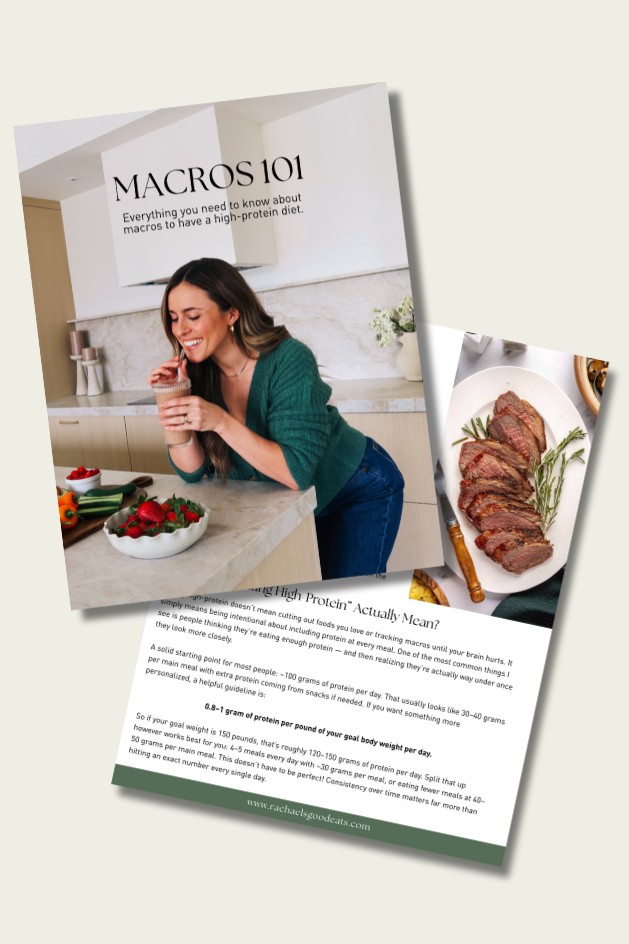
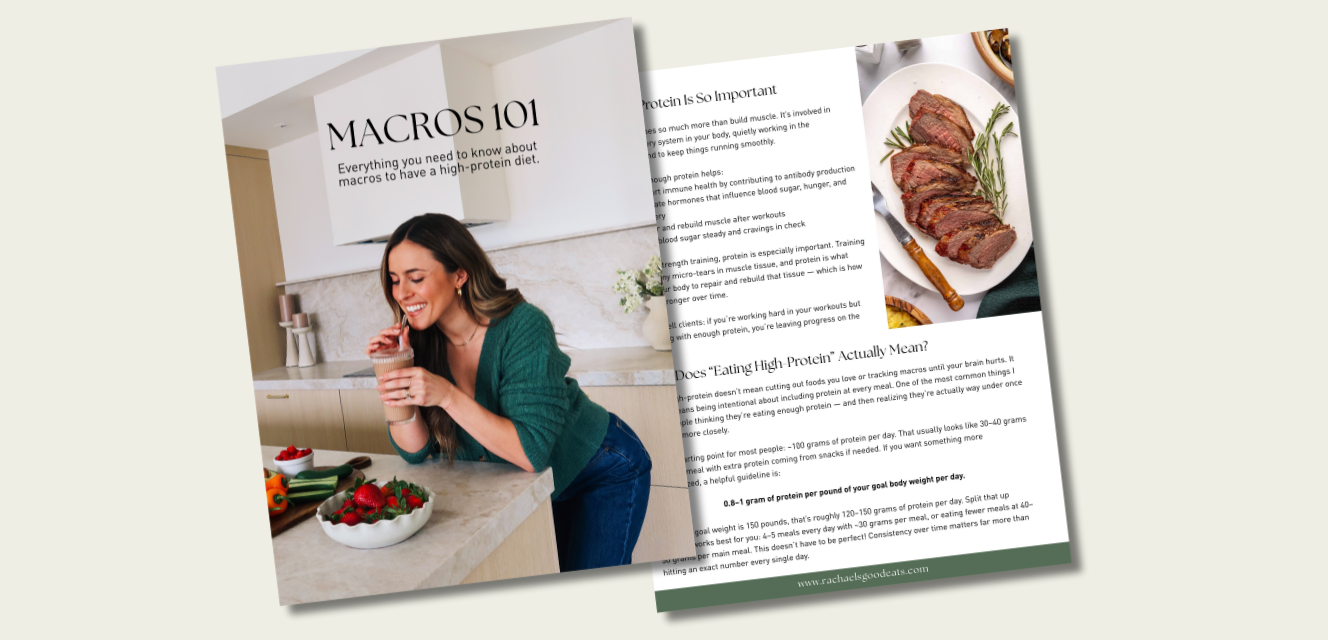
My recommendation for a daily protein goal before pregnancy is 100 grams per day in order to maintain muscle mass, energy stability, and overall metabolic support.
During pregnancy, needs increase to support fetal growth, placental development, and the expansion of maternal tissues (including blood volume and breast tissue). Protein also plays a key role in helping stabilize blood sugar and supporting satiety as appetite and energy needs shift. I recommend increasing protein by an additional ~25 grams per day, or between 100–150+ grams per day, increasing slightly in the second and third trimesters when growth demands are higher.
During postpartum, eating a high-protein diet will support healing, tissue repair, and milk production if you’re breastfeeding. I found that eating 100+ grams of protein (even when I was beyond tired) was the only thing that helped me feel satisfied between meals – breastfeeding hunger is no joke!
If you’re not interested in tracking protein, that’s completely fine. It’s not about hitting an exact number every day—it’s about building meals with a solid protein foundation and having a general awareness of intake so you can stay consistent and supported across all phases.
What Does That Actually Look Like in a Day?
Again, try not to stress about making every day perfect. You don’t need to overthink your meals! Try to build your meals around a protein source for breakfast, lunch, and dinner. If you can, add a protein source to your snacks.
A simple way to approach it:
- Breakfast: 30–40g
- Lunch: 30–40g
- Dinner: 30–40g
- Snacks: 10–20g each
Eating High-Protein During Pregnancy
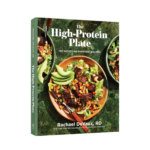
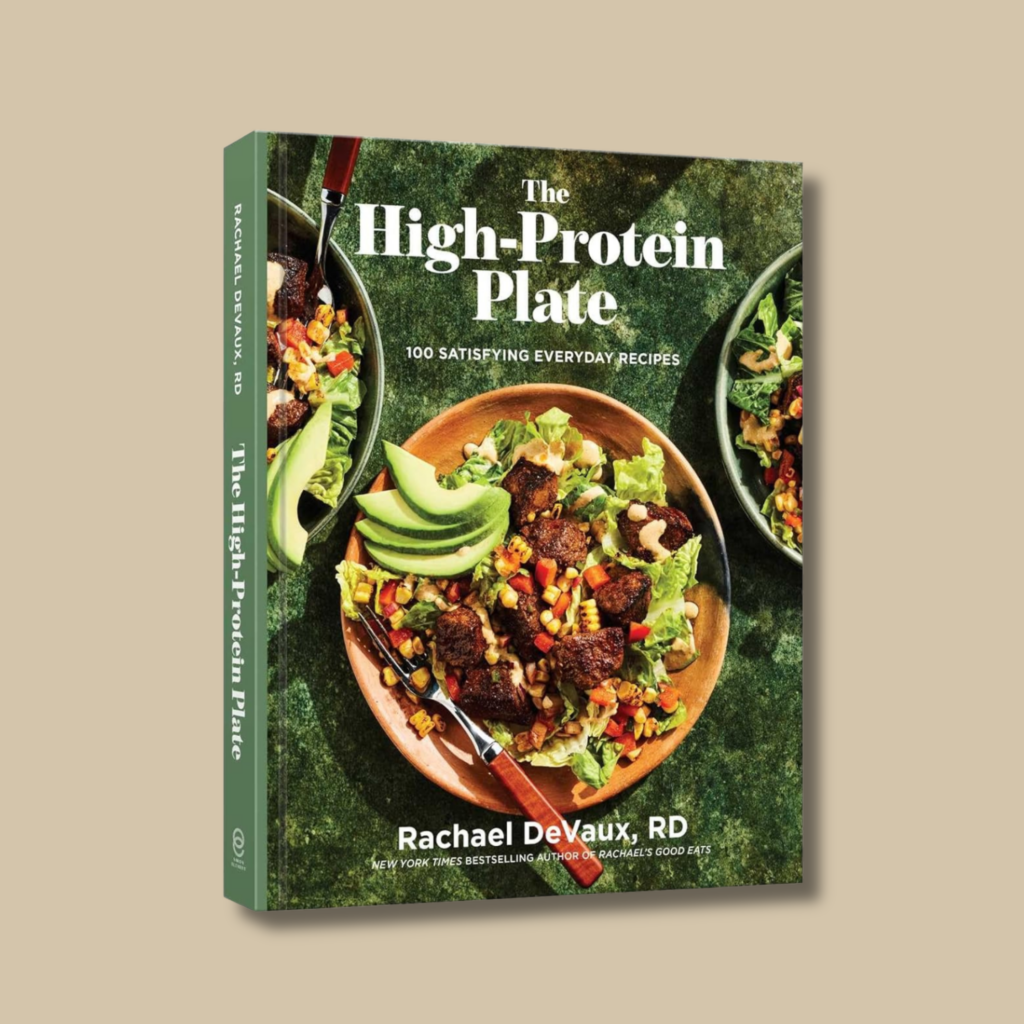
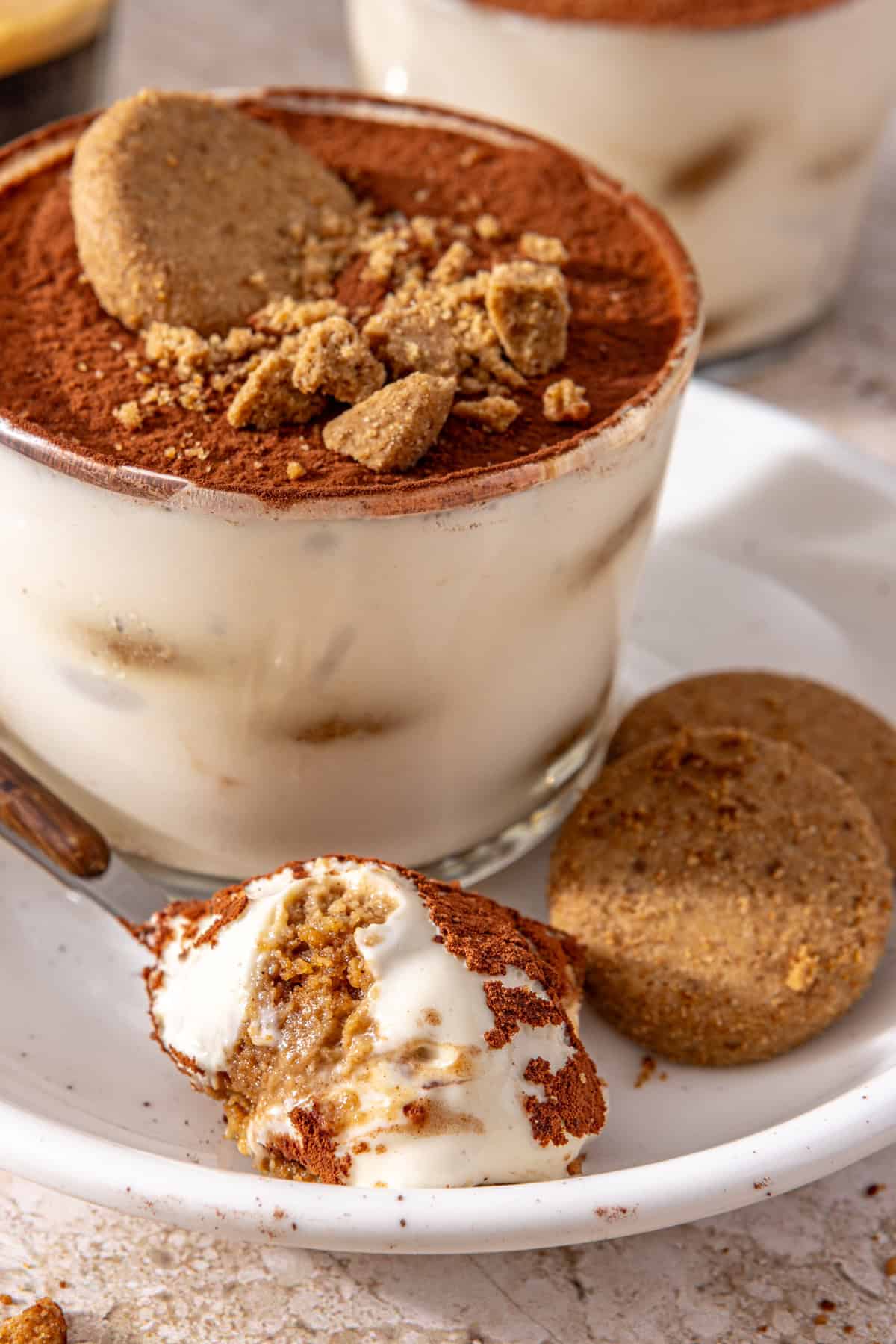
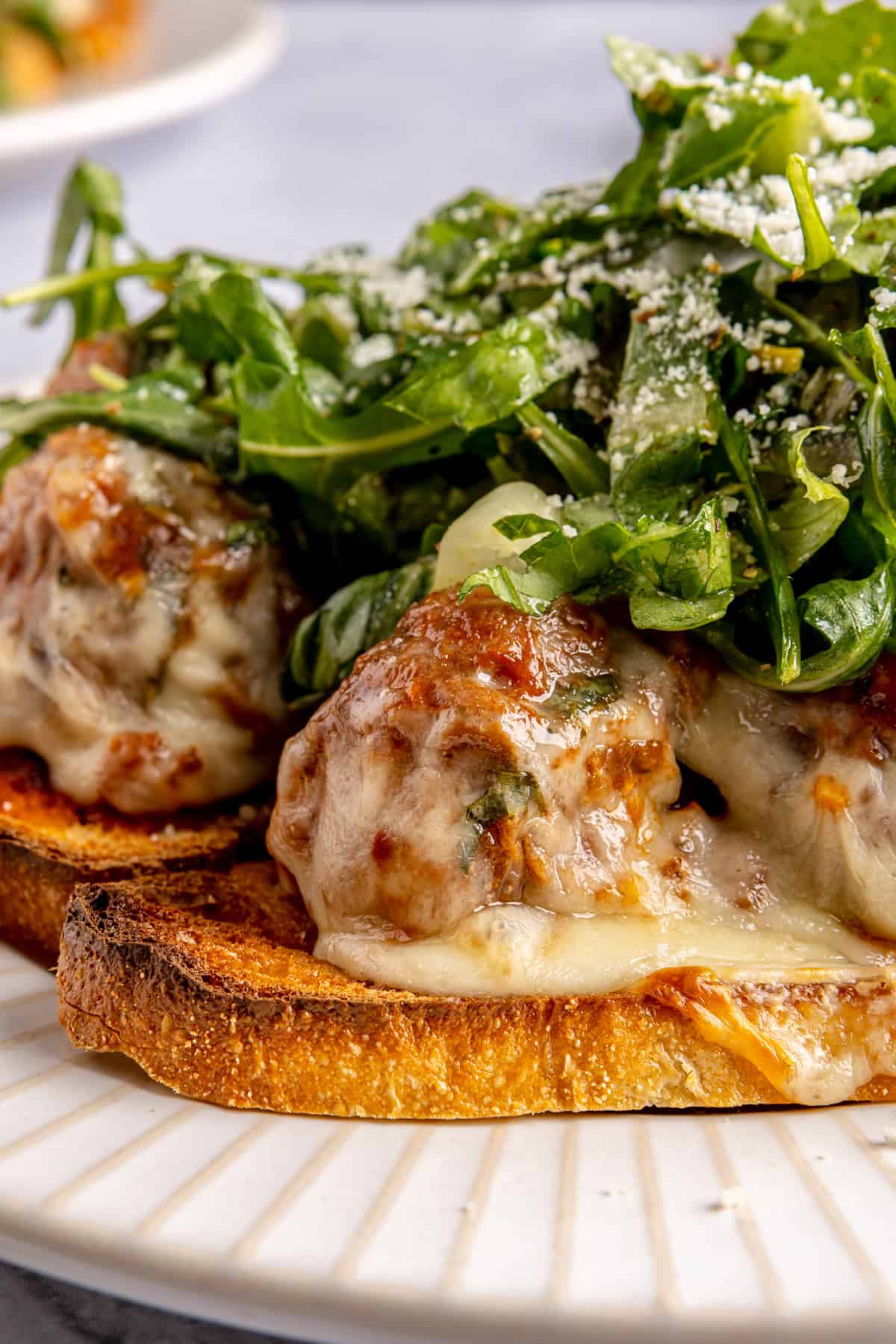
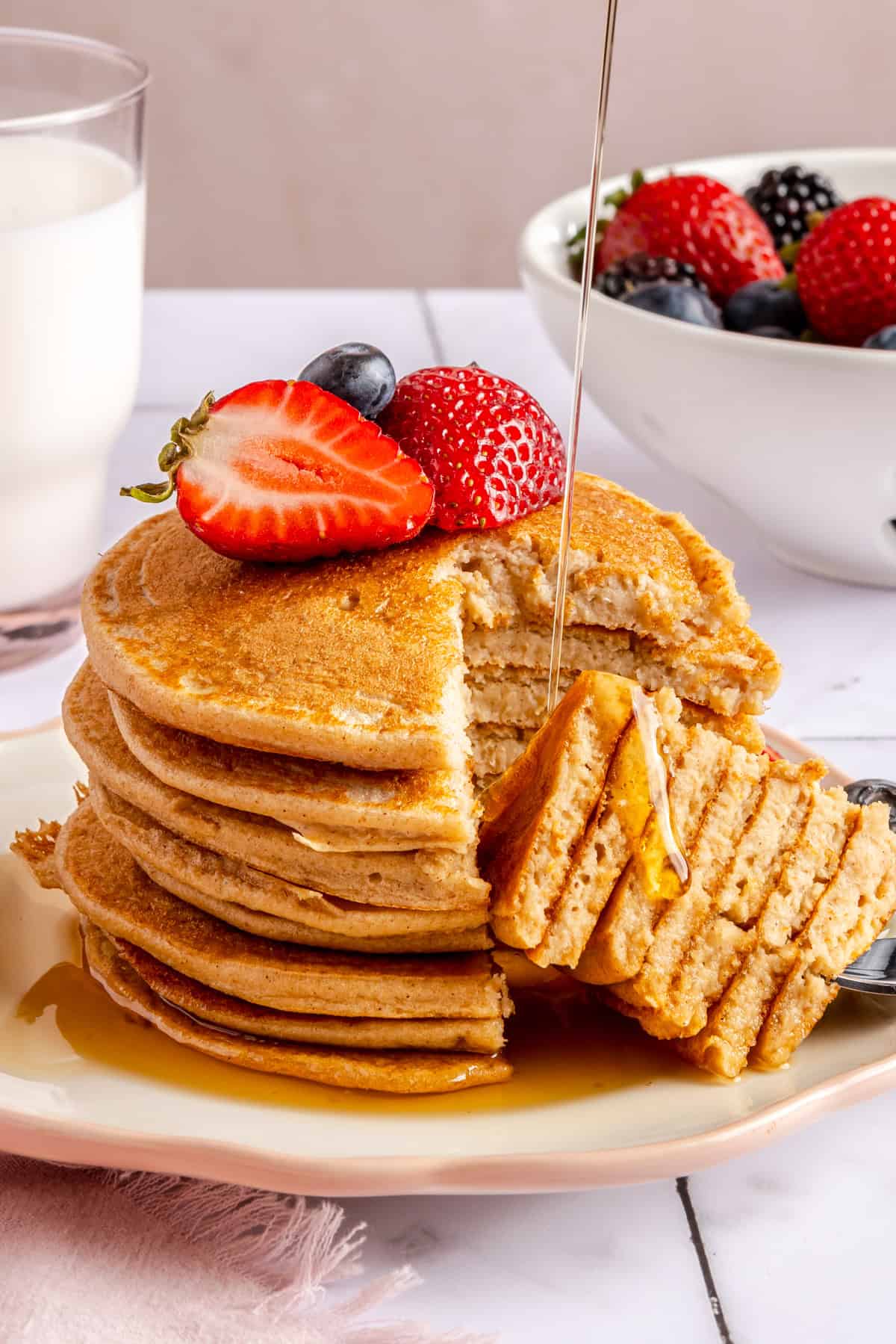
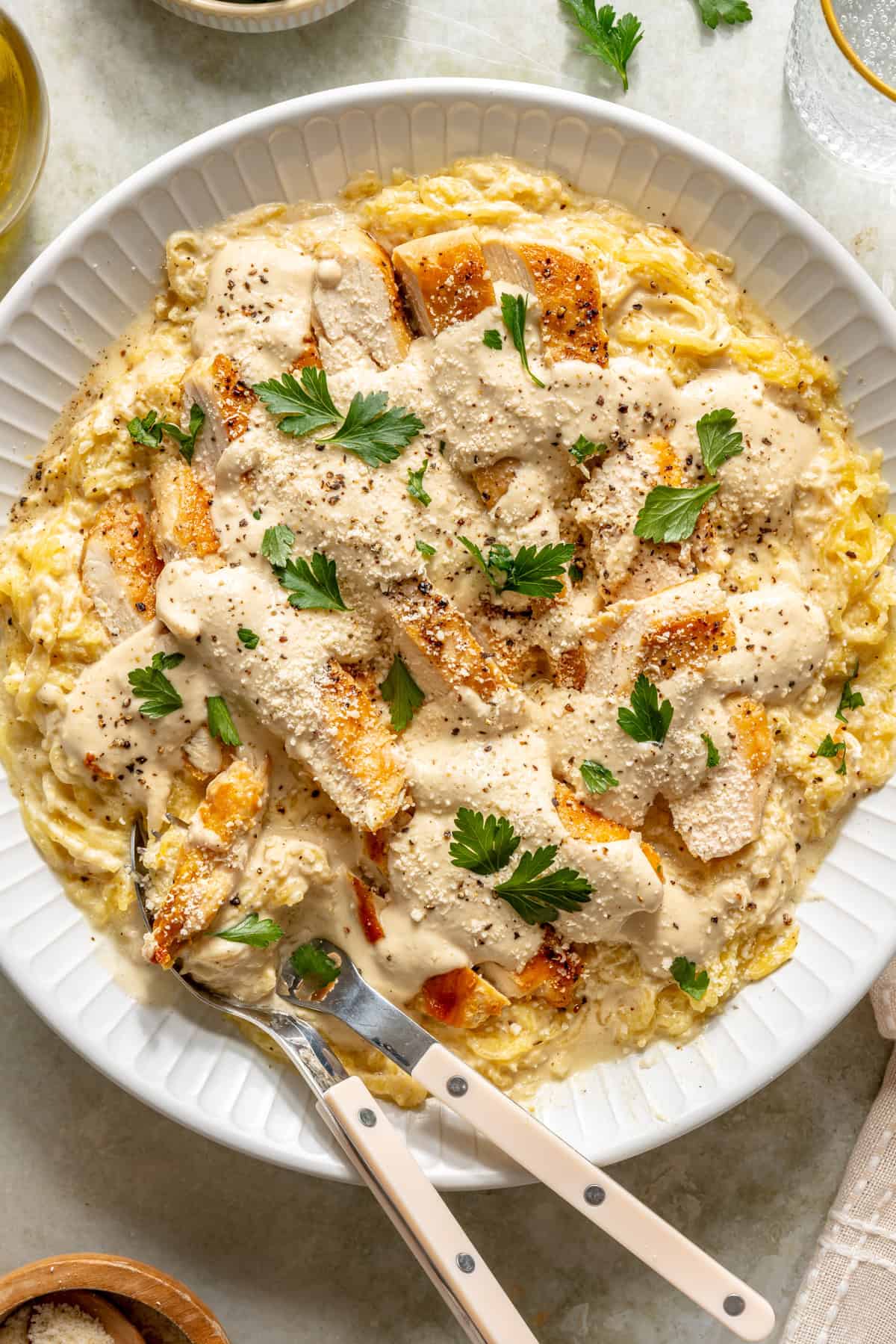
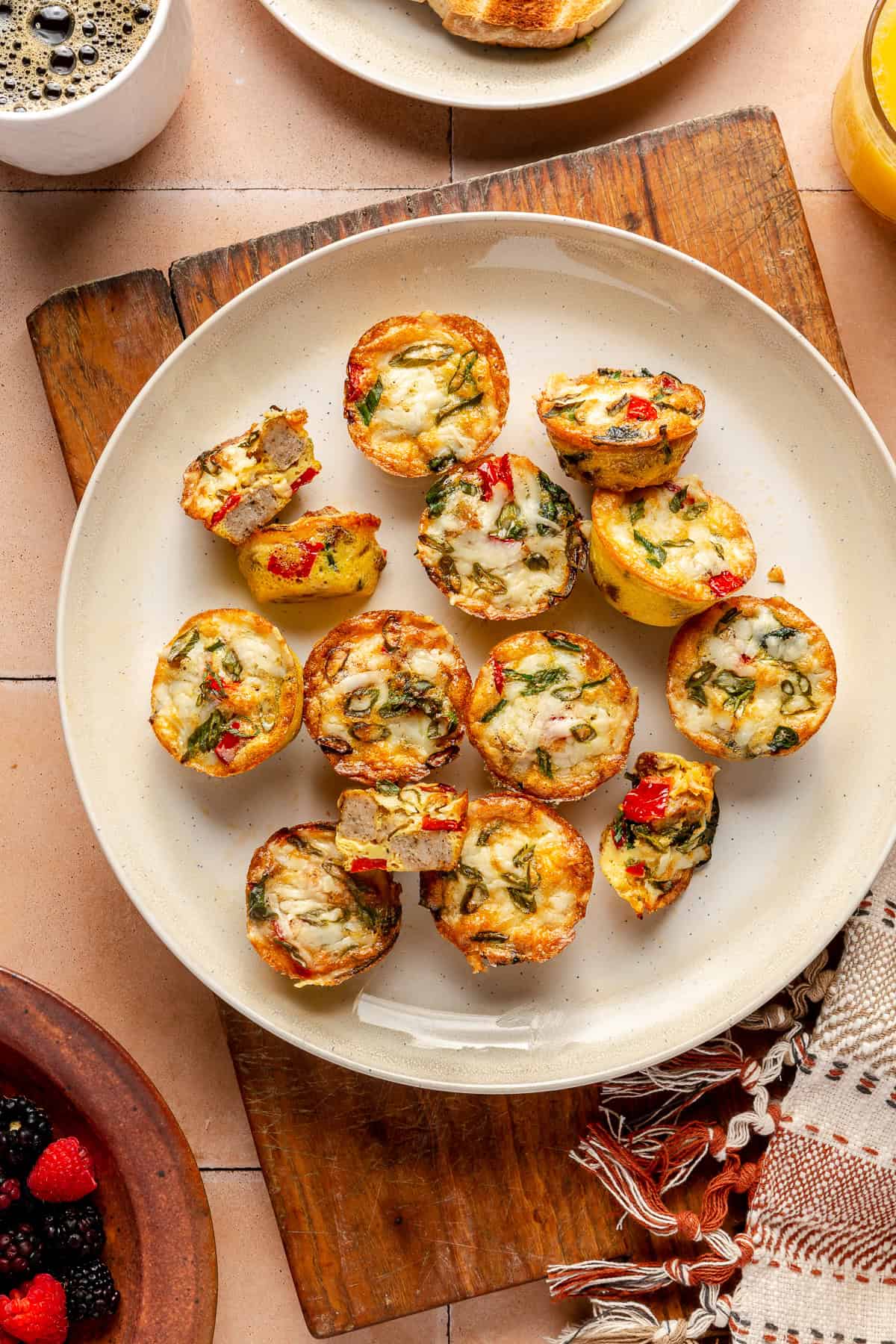
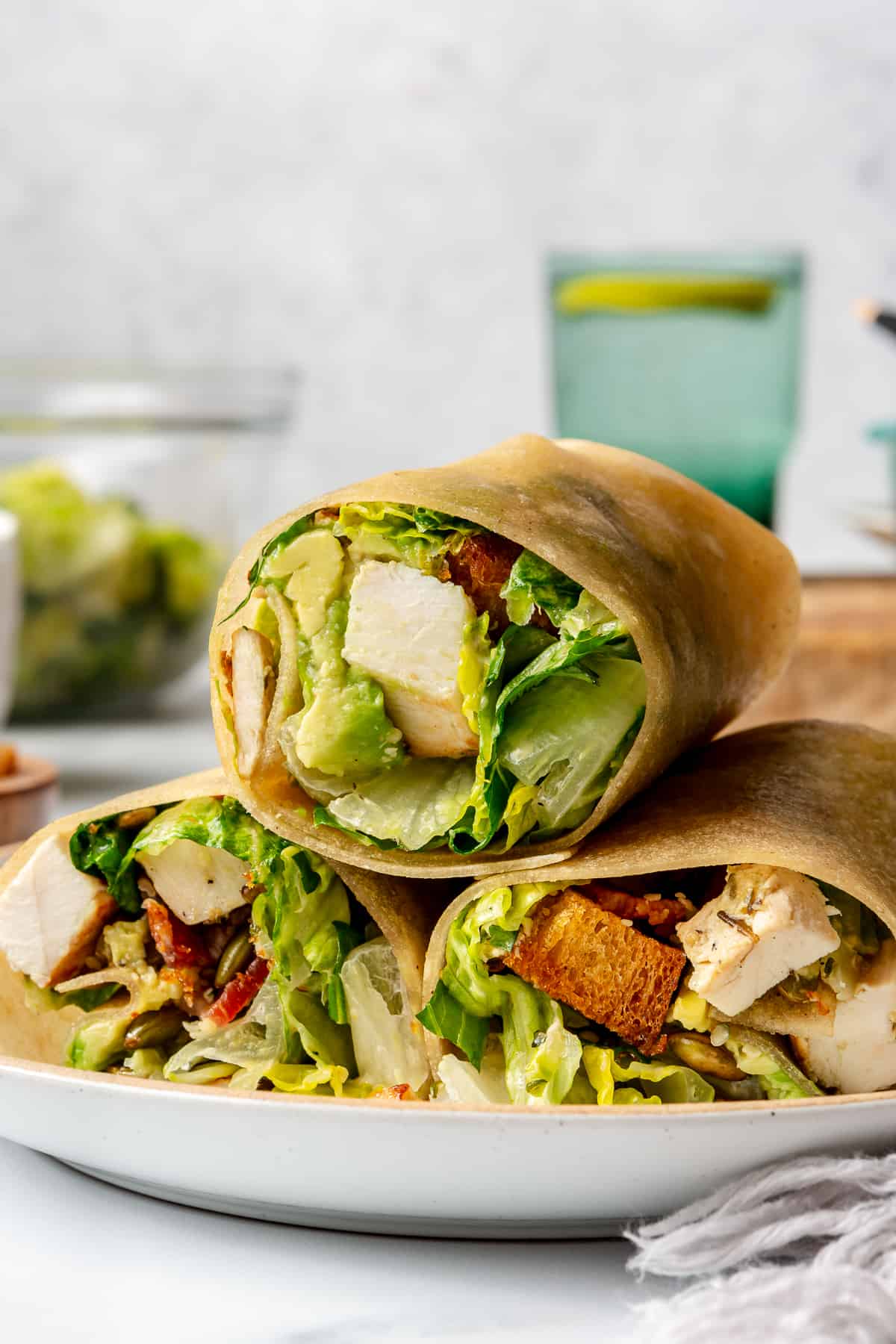
This was a big part of my why behind writing The High-Protein Plate—I wanted to show that eating a high-protein diet doesn’t have to involve a food scale or boring meals on repeat. My goal when I was writing this book was to help anyone trying to eat a healthier diet, but especially women. Many of these recipes were developed when I was pregnant and postpartum, and I know just how vulnerable and demanding that season of life is. There’s an added layer of stress when you’re growing and caring for a baby, and I wanted nutrition to feel simple and seamless.
This cookbook is essentially a “cheat code” to eating enough protein without overthinking it. I wanted to offer recipes for every meal of the day using simple, accessible ingredients and familiar, classic meals.
- Crispy Seasoned Drumsticks
- Beef Bolognese
- Savory Herb and Turkey-Bacon Quiche
- Ready-When-You-Are Breakfast Sandwiches
- Strawberry Shortcake Smoothie
- Chicken and Peanut Pad Thai Bowls
- Sloppy Joe Bowls
- Banana Bread Protein Muffins
- Mini Apple Tarts
- Fudge Brownies
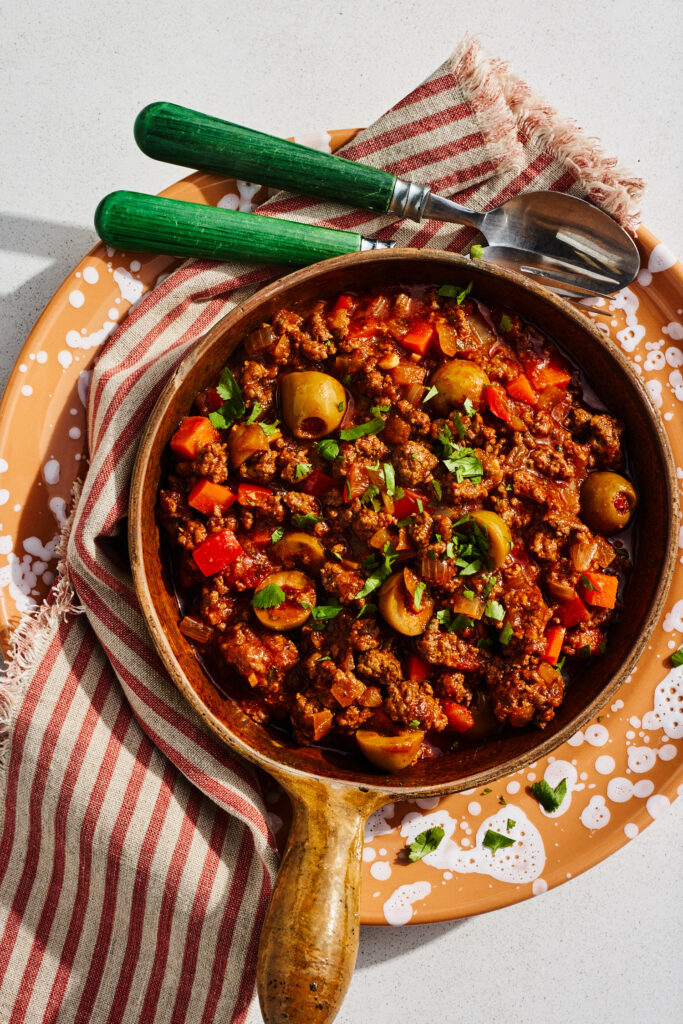
I’m so proud to have this book out in the world because I know it will help so many people who want to get more protein in, but maybe don’t know where to start or how to make it feel doable long-term.
SPOILER ALERT: eating enough protein doesn’t mean giving up delicious, satisfying, and family-friendly meals. I PROMISE! More high-protein recipes on the blog.
Signs You Might Not Be Getting Enough Protein
You don’t need to track obsessively, but there are a few signs your intake might be on the lower side:
- You’re constantly hungry, even after meals
- Energy dips or blood sugar crashes
- Meals don’t feel satisfying
- You’re relying mostly on carbs without much protein balance
- Nausea (obviously there are many causes of nausea during pregnancy, but insufficient protein intake can cause nausea!)
Advice From Your RD (Me!)
Protein is one of the most important nutrients to focus on during pregnancy, but it doesn’t need to feel overwhelming. Here is a super simple way to think about your protein intake:
- 25-30 g per meal as a minimum (+25 from snacks)
- Think about snacks as mini meals! Protein should still be the main source of fuel, maybe just a slightly smaller quantity. Try any of my high-protein smoothies for a perfect pregnancy snack.
- Rotate recipes that are quick, easy to store, and you know they’re high in protein (takes tons of the mental load off of you for day to day decisions!). I relied on these 100 high-protein recipes while I was pregnancy and postpartum!!
More Pregnancy & Postpartum Nutrition Content
During my cookbook tour, I had some really meaningful conversations that honestly stayed with me. I also opened up more about my own experience navigating pregnancy and postpartum, and what it actually looked like trying to prioritize protein in a real, imperfect season of life. I shared practical tips for getting enough protein during pregnancy and postpartum (and beyond), along with more of my personal philosophy around training and nutrition—what’s worked for me, what hasn’t, and how my approach has evolved over time.
My conversation with Kelly Leveque on Be Well:
In this episode, I sit down with Rachael DeVaux to talk about what high protein living actually looks like in real life. We get into the habits that keep energy stable, cravings lower, and meals simple, without obsessing over every macro. Rachael shares how her approach to food has evolved through different seasons, including pregnancy and motherhood, and why strength, muscle, and metabolic health are now at the center of everything she teaches.
My conversation with Max Lugavere on The Genius Life:
Registered dietitian and trainer Rachael DeVaux aka @RachaelsGoodEats joins me to share practical strategies for prioritizing protein, building balanced meals, and simplifying healthy eating—along with insights from her new cookbook The High Protein Plate.
My conversation with Dr. Will Cole on The Art Of Being Well:
Registered dietitian and personal trainer Rachael DeVaux joins Dr. Will Cole to make the case for protein as the most important – and most underestimated – macro in most people’s diets. They cover how much protein you actually need, why breakfast is the most critical meal to front-load it, the complete vs. incomplete protein debate, and what the new HHS dietary guidelines finally got right. Rachael also walks through a full day of meals that hits 120 grams of protein, her approach to feeding toddlers for brain health and stable blood sugar, and why she tracks protein but removed calories entirely from her cookbook.
My Conversation with Dani Marenburg on Well On Her Way
Today I’m sitting down with Rachael DeVaux of , and this felt less like an interview and more like two toddler moms at the kitchen counter talking about what’s actually working. Rachael breaks down how to make protein the backbone of your plate without counting macros, obsessing, or spending hours in the kitchen. We unpack power pantry staples, 20-minute dinners, how to plan just three meals a week to cut decision fatigue, and how to feed yourself and your family the same meal without short-order cooking. You’ll walk away knowing exactly how to simplify your week, feel fuller longer, stabilize your energy, and finally stop the 4pm crash and late-night snack spiral. If you’ve been craving structure without rigidity and nourishment without overwhelm, hit play and let’s dive in.