
If you’ve ever wondered when protein powder actually makes sense—or whether you even need it—you’re not alone. This is one of the most common questions I get, especially from women who are already eating pretty well and don’t want to feel like they’re “doing it wrong.”
The short answer is that you don’t need protein powder. But for many people, it can be a really helpful tool.
I personally aim for at least 100+ grams of protein per day, and what I recommend for most healthy people. If you’re really looking to up your protein and see more results in the gym plus more metabolic health benefits, I would go as far to say 1 gram of protein per pound of goal body weight per day.
I’ll be honest, getting there consistently from whole foods alone can be more challenging than it sounds, especially if you’re busy, active, or not trying to track every bite. Plus, you’re just going to be a lot more full if the bulk of your diet is high-quality whole food based proteins, so you’re appetite is going to be lower, which can make getting that last little bit of protein into your day a bit more challenging. That’s where protein powder comes in for me.
Here’s how I think about it, when I use it, and how to decide if it might make sense for you.
Before we dive in, if you’re still deciding which protein powder to use, be sure to check out my guide on how to identify high-quality protein powder — especially if you’re navigating dairy-free or plant-based options.
First Things First: Protein Powder Is a Tool, Not a Rule
I always want to start here, because nutrition doesn’t work well when it feels rigid or forced.
Protein powder isn’t something you have to take. It’s simply a convenient way to:
- Increase total protein intake
- Support muscle and recovery
- Stay fuller between meals
- Make hitting your goals feel easier, not harder
Eating 100+ grams of protein per day from whole foods alone is totally possible—but it often requires very intentional planning, larger portions, and consistent appetite. For many women, especially those juggling workouts, work, family, and life, that’s not always realistic every single day.
That’s why I almost always include one serving of protein powder in my day. It helps me bridge the gap without overthinking it.
How I Personally Use Protein Powder
Most protein powders I recommend contain 20–30 grams of protein per serving. Adding one scoop per day (or typically one and a half) helps me reliably get to 100+ grams of protein without feeling overly full or stuck cooking an extra meal.
My general rhythm looks like this:
- 30–40 grams of protein per main meal
- One protein powder serving somewhere in the day
That combination makes a big difference in how satisfied I feel, how steady my energy is, and how well I recover from workouts.
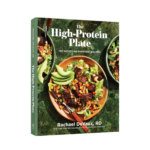
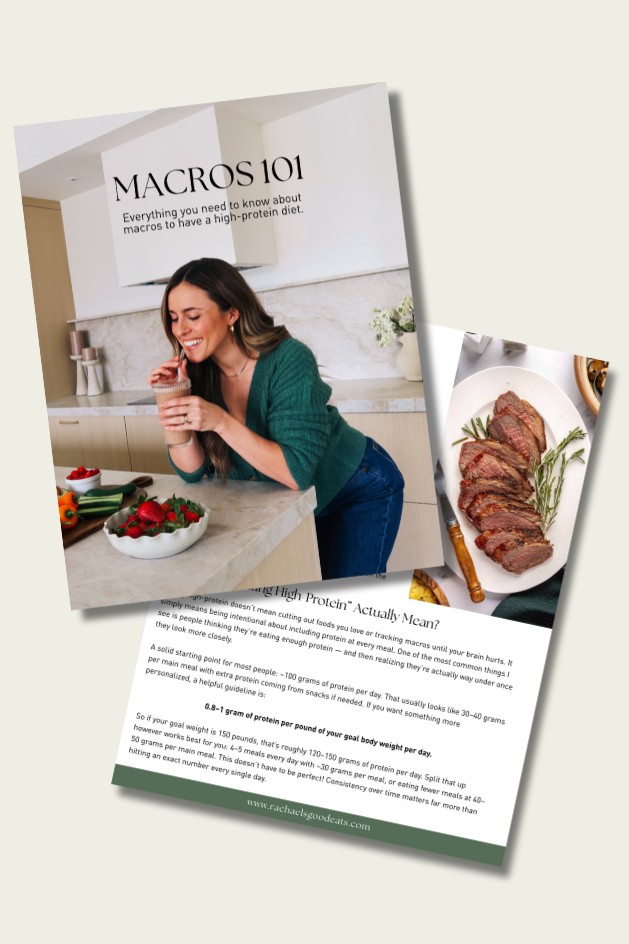
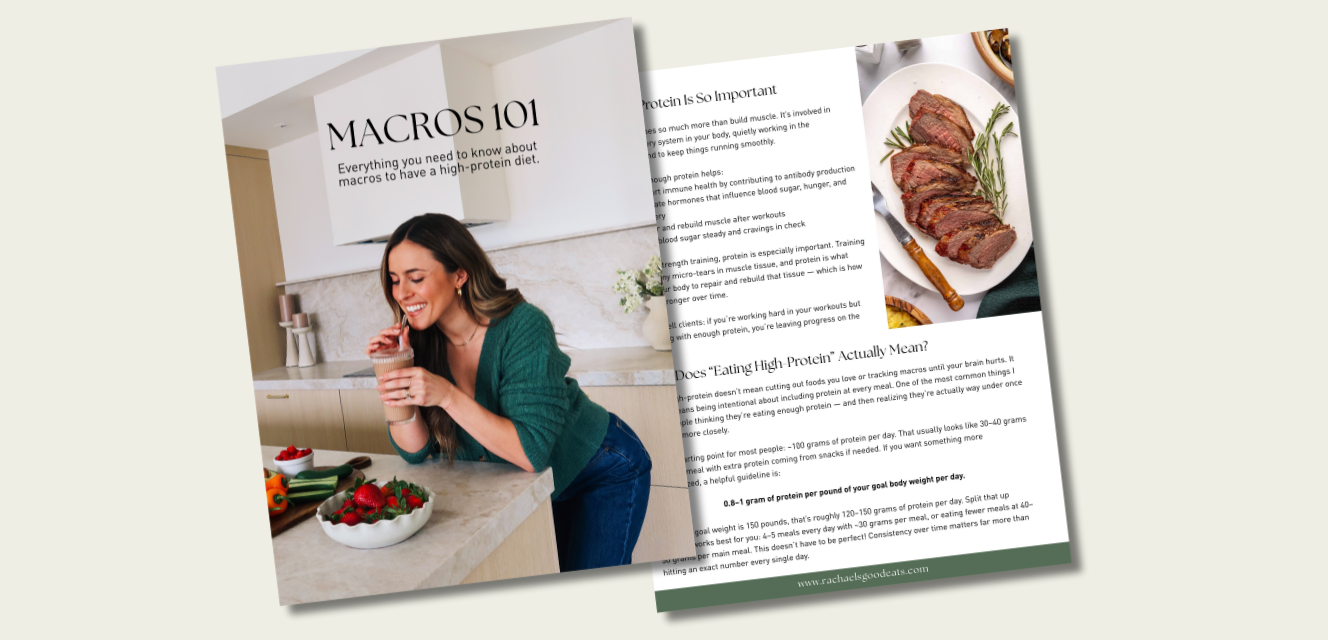
Balancing your macros (carbs, fats, proteins) appropriately has a major impact on your hunger level, ability to focus, and your ability to gain and maintain lean muscle mass. Under-eating protein can sabotage all three! (More info on sufficient protein intake + 100 high-protein recipes in my new cookbook!!).
Signs Protein Powder Might Be Helpful for You
You don’t need to “qualify” for protein powder, but these are a few signs it can be useful:
- You’re still hungry at the end of the day
- You find yourself needing snacks between meals
- You’re dealing with strong cravings or a persistent sweet tooth
- You’re training but not feeling stronger over time
- You feel like you’re eating enough food, but something still feels off
Often, these aren’t signs you’re doing anything wrong. They can simply mean protein intake is falling a bit short. Protein plays a major role in satiety, blood sugar stability, and muscle maintenance, so even small increases can have noticeable effects.
Why Protein Matters So Much for Women
Protein isn’t just about building muscle for aesthetics. It supports so many aspects of health, especially for women.
1. Muscle Health & Longevity
Maintaining lean muscle mass as we age is one of the most important things we can do for our longevity! I see so many myths and misconceptions around high-protein diets, but eating enough protein is critical to everyone, not just body builders or gym bros. Muscle protein synthesis is stimulated simply by eating enough protein, even before you factor in training. Protein powder can make it easier to consistently hit that threshold.
2. Hunger, Cravings & Blood Sugar
Protein is the most satiating macronutrient. When protein intake is adequate, people often notice:
- Fewer cravings: it quiets the food noise you may be thinking about throughout the day
- Less snacking: you’ll feel more satiated with more protein, not needing to snack as much
- More stable energy throughout the day
This isn’t about restriction, it’s about feeling properly fueled!
3. Boosts Energy & Hormonal Balance
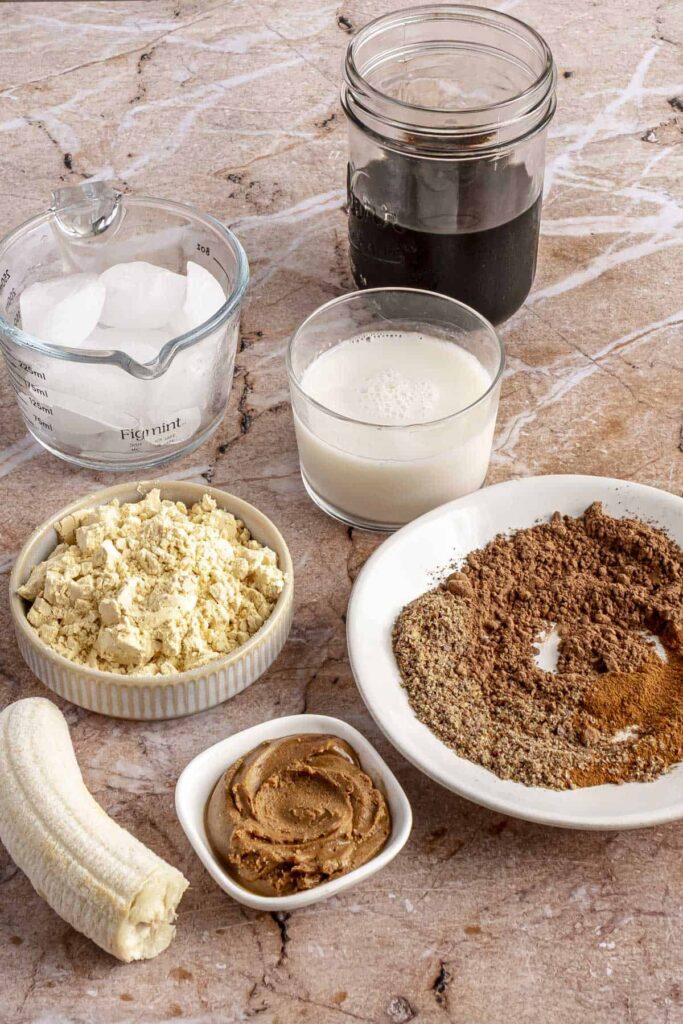
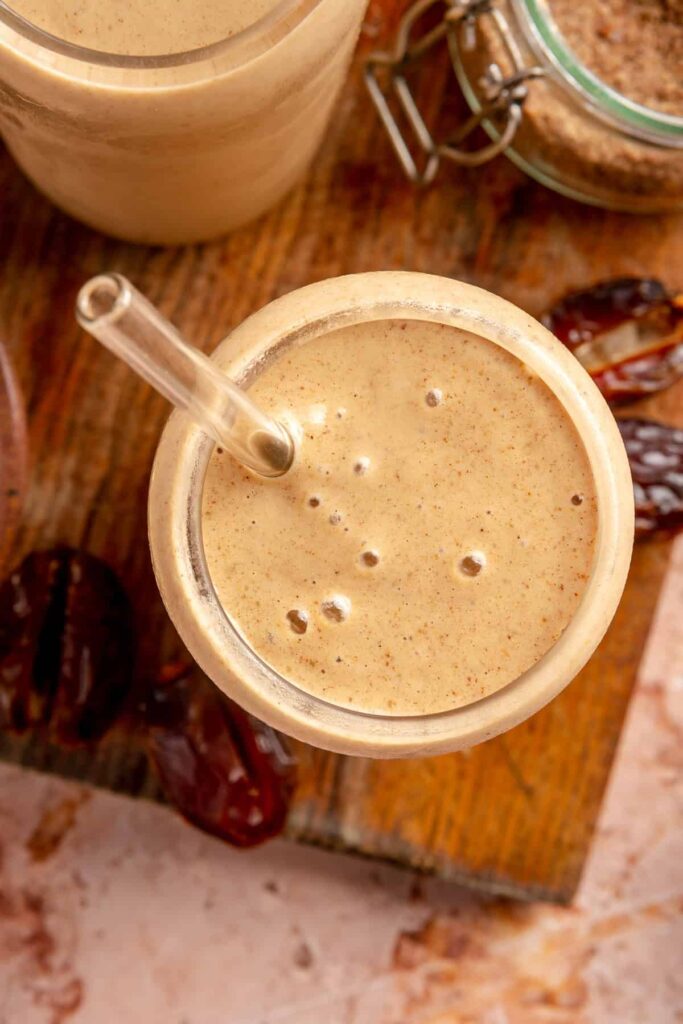
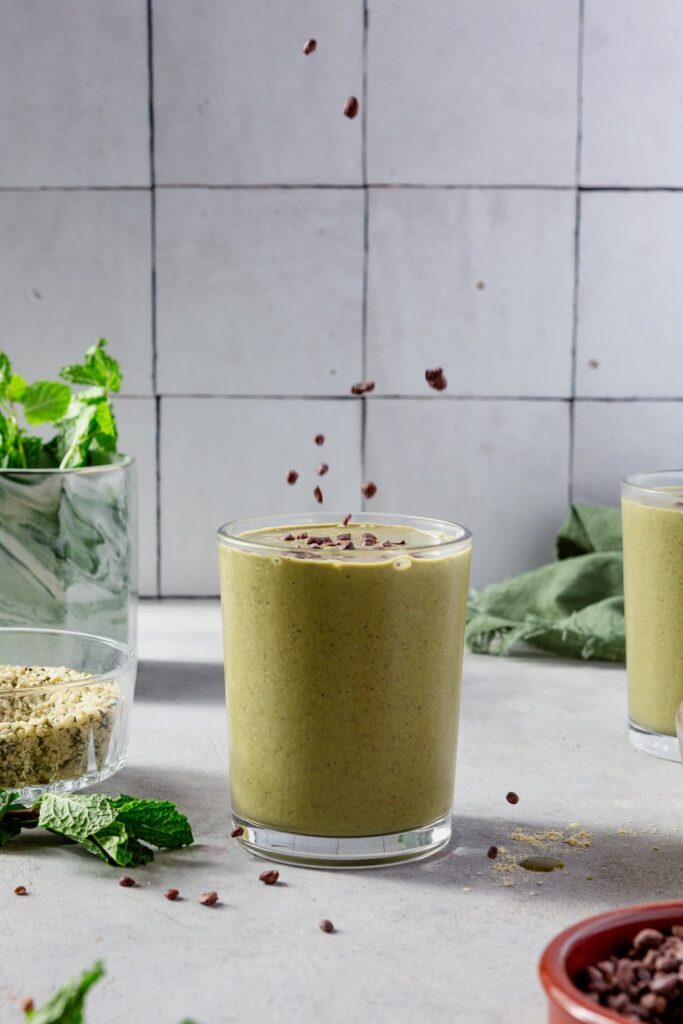
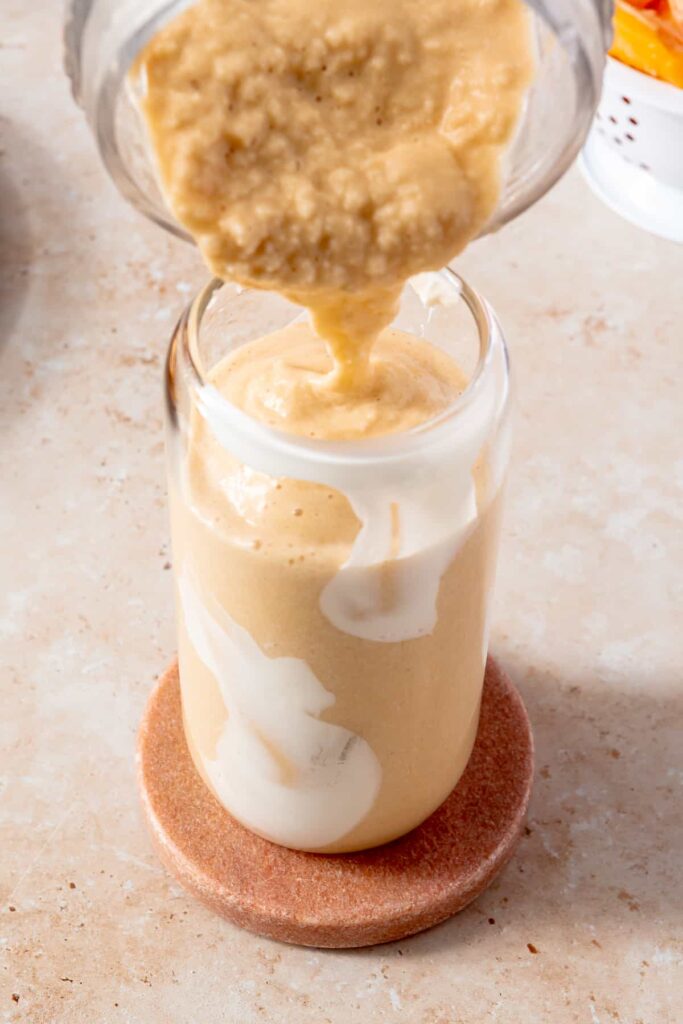
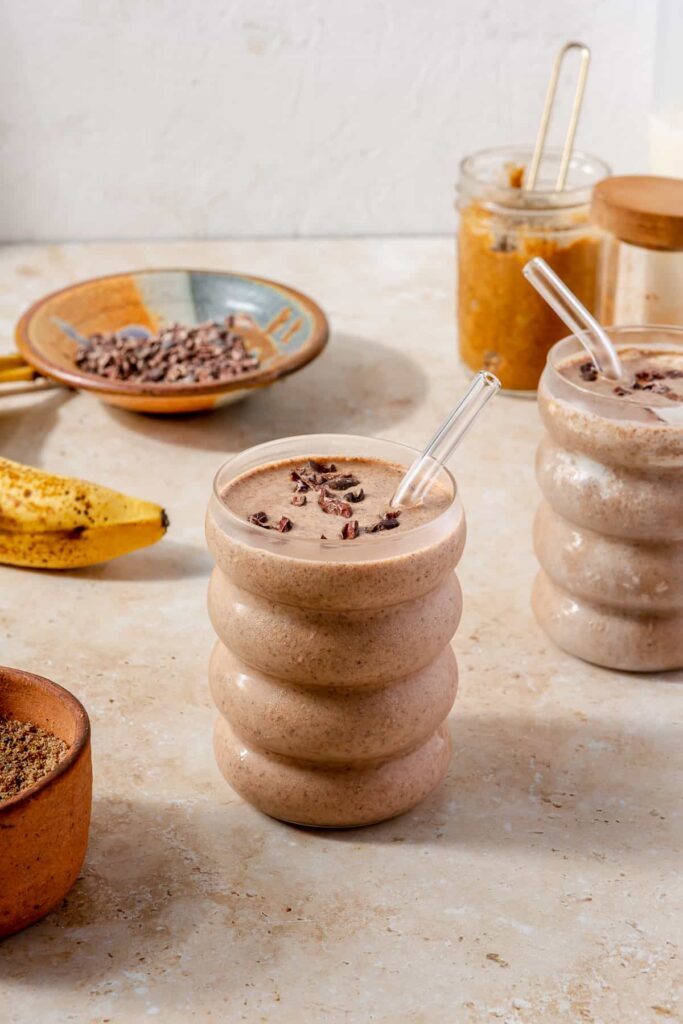
I’ll never get over the difference in energy levels when I’m well-fed vs when I’m bottoming out between meals. Women who are busy (juggling busy careers, family, social life, workouts, etc) will always benefit from steady energy levels. Protein helps stabilize blood sugar, which keeps energy up and mood steady. Adding a scoop of protein powder to a smoothie between meals or as a meal replacement like in this smoothie, can be the difference in feeling fully depleted or energized to complete your day.
4. Skin, Hair & Bone Health
Protein provides the building blocks for collagen, bone structure, and tissue repair. It’s not magic, but it is foundational!
When to Take Protein Powder: My Favorite Starting Point
If you’re new to using protein powder, I usually suggest starting mid-morning.
Here’s why:
- Have a protein-forward breakfast (around 30–40 grams)
- 2–3 hours later—or at the first sign of hunger—have a protein smoothie (20–30 grams)
- This often helps people feel satisfied through lunch without bottoming out
From there, you can experiment. Some people love protein powder post-workout, some in the afternoon, some even as a dessert-style smoothie at night. There’s no single “right” time—it’s about what supports your day.
A Note on Quality (This Matters)
Not all protein powders are created equal. If you’re using one regularly, it’s worth paying attention to:
- Protein source
- Ingredient list
- Third-party testing
- Digestibility
If you’re still choosing one, especially if you’re dairy-free or plant-based, I have a list of my favorite protein powders I love, with some discount codes. Click here for how to identify high-quality protein powder.
The Bottom Line
Protein powder isn’t mandatory. It’s not a shortcut. And it’s definitely not a failure if you don’t use it. I repeat!
But if your goal is to eat more protein consistently, support muscle, stay full, and make your nutrition feel more doable, it can be one of the most effective tools in a high-protein diet.
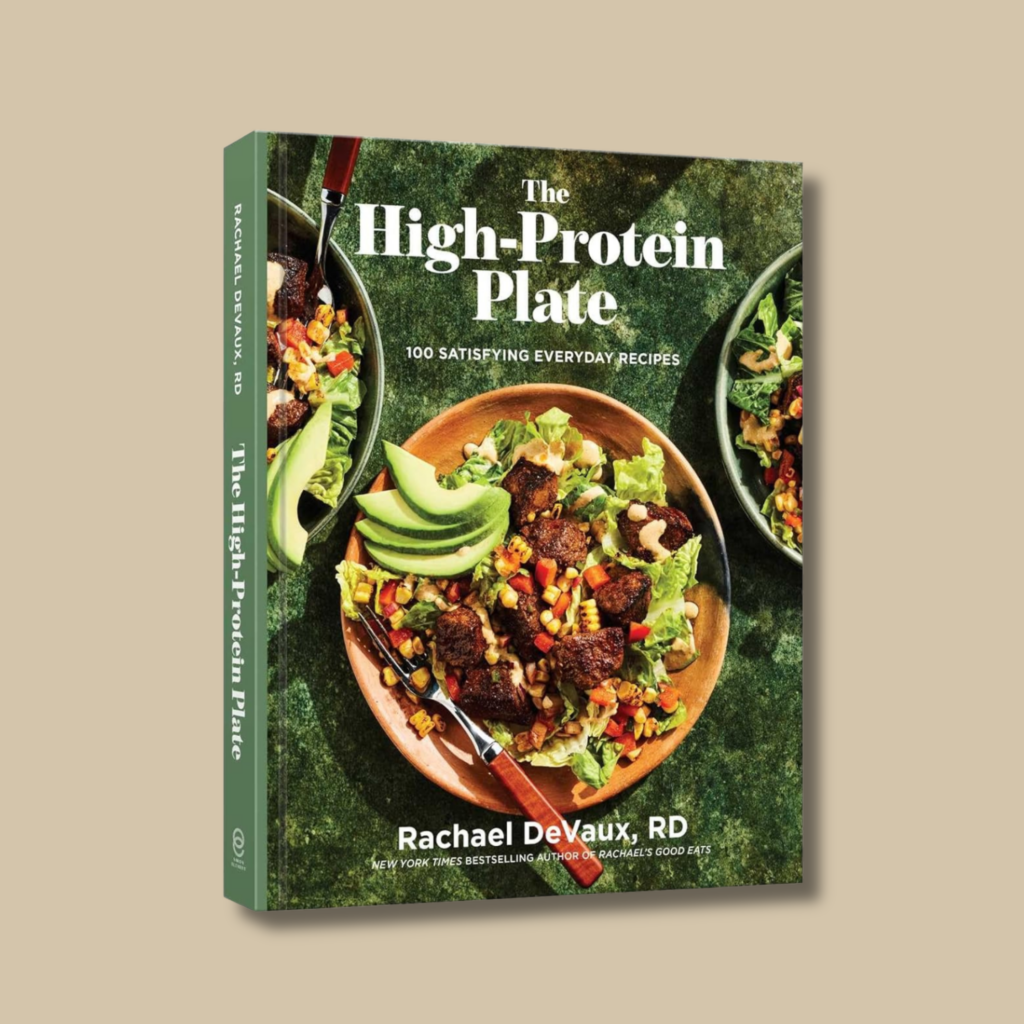
That’s exactly why it’s part of my routine and why I include so many approachable, protein-forward recipes in The High‑Protein Plate, which is all about making high-protein eating feel seamless, not stressful.
Pre-orders are open now (comes out March 3rd 2026), and I truly cannot wait for you to cook from it!!!













I’ve been using it for over two years for trading, and the seamless withdrawals stands out. The mobile app makes daily use simple.
This platform exceeded my expectations with fast transactions and useful analytics.