
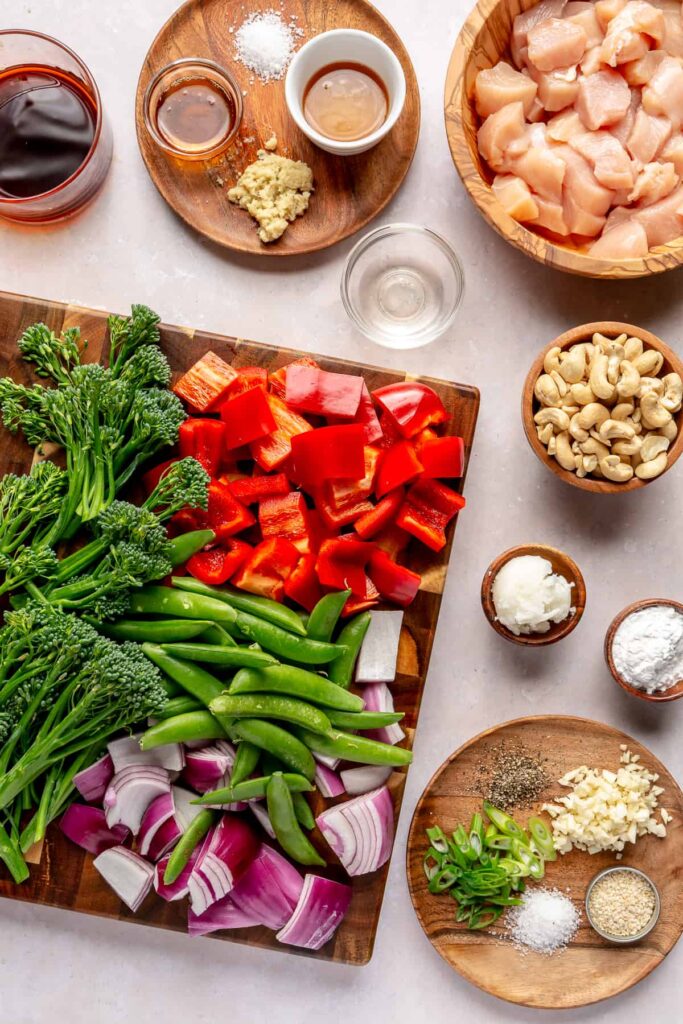
If you still have plastic cutting boards in your kitchen, this is a PSA: it’s time for them to go! While plastic might feel like the easier, more convenient choice (aka, dishwasher-friendly), that doesn’t outweigh the negatives that plastic cutting boards bring into your life. I’m a big fan of high-quality, durable, and nice looking wood cutting boards. There are a few that I’ve been using every single day that I’ll share, but first I want to break down some important info on why.
The Hidden Problem with Plastic Cutting Boards
1. Microplastics and Chemical Exposure
As plastic cutting boards age, tiny particles can break off with every chop. These microplastics can end up in your food, and research suggests that chronic exposure to microplastics may contribute to inflammation, immune changes, and other health concerns.
Unlike most plastics, which can take hundreds of years to break down in the environment, wooden or bamboo boards don’t leach microplastics when cut.
2. Bacteria and Hygiene Concerns
Plastic boards develop deep grooves and scratches over time. In those tiny crevices, food particles and bacteria like Salmonella and E. coli can hide — even if you wash the board thoroughly. Kitchen Barrels
Interestingly, wood has natural antimicrobial properties that can actually help prevent bacteria from thriving, especially when the board is hand-washed and air-dried properly.
3. Environmental Impact
Plastic cutting boards often end up in landfills because they’re not biodegradable and are hard to recycle. In contrast, responsibly sourced wooden boards are made from renewable materials, can often be repaired, and eventually break down more naturally at the end of their lifespan.
Why Are Wood Cutting Boards Better Than Plastic?
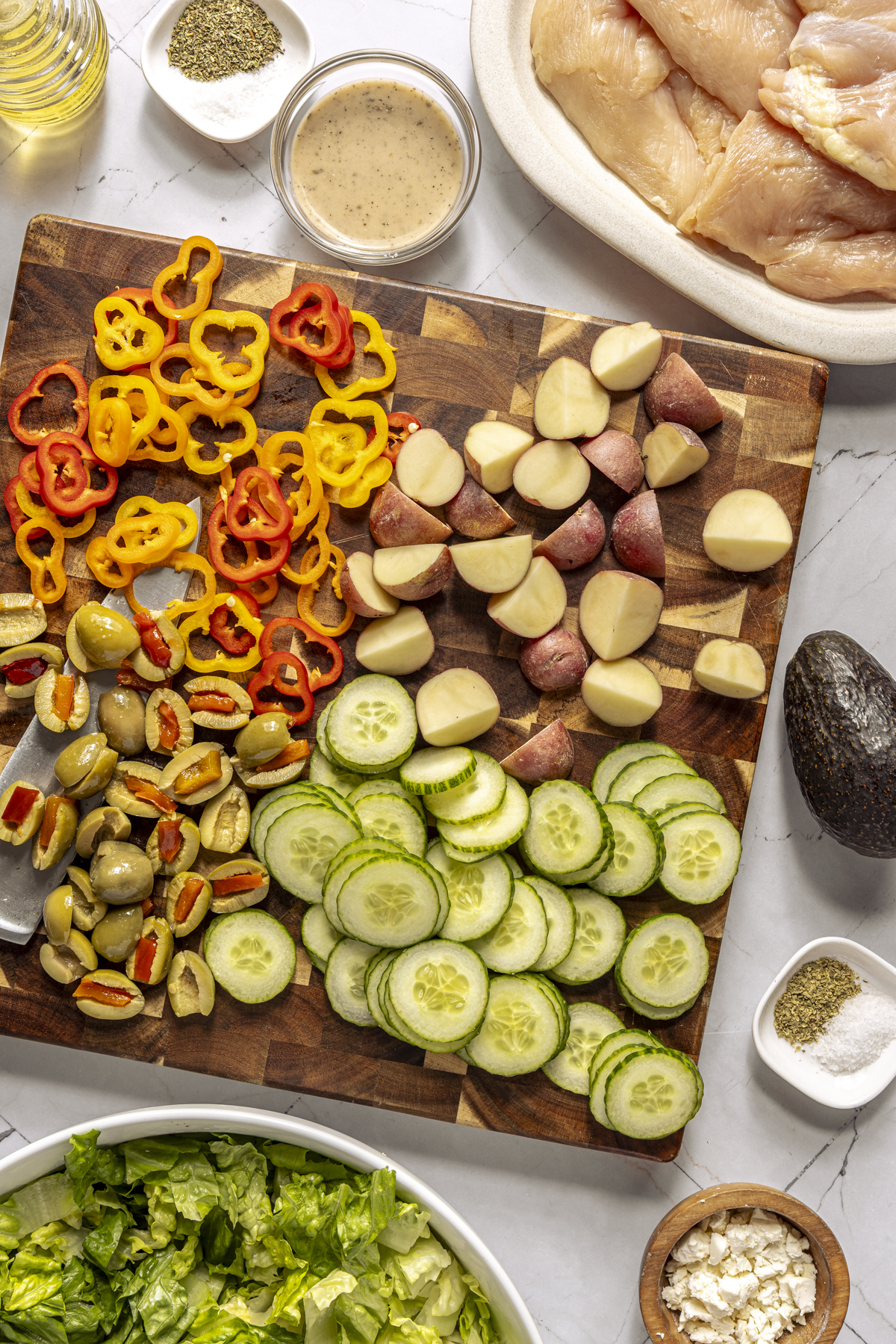
Overall, wood is safer and more sustainable than plastic. Wood is naturally antimicrobial, which protects against bacteria like Salmonella and E. coli, as they tend to die off more quickly on wood surfaces compared to plastic. High-quality wooden boards have a longer lifespan, and can last for many years if properly maintained.
I personally invested in a butcher-block style cutting board that I use 90% of the time. I love it for many reasons, but the convenience of having a nice-looking, super durable board that sits on the counter helps me to avoid creating more dishes and messes. Finally, I really love these composite cutting boards from amazon. They’re dishwasher-friendly but no microplastics involved!
Best Cutting Boards for Everyday Use
Whether you’re chopping veggies, prepping proteins, or slicing herbs, choosing the right board makes prep more enjoyable and safer.
Here are some great options you might love:
- Hardwood boards (maple, walnut): Classic, durable, and gentle on knives.
- End-grain boards: Best for heavy chopping — self-healing grain helps resist cuts.
- Composite boards: Dishwasher-safe and free of microplastics — a great middle ground.
- Bamboo boards: Renewable and lightweight, though slightly harder on knives.
I personally use a butcher-block style wood board most days because it’s sturdy, easy to clean, and simply feels good to prep on. I also keep a composite board on hand when I want something that’s carefree and dishwasher friendly.
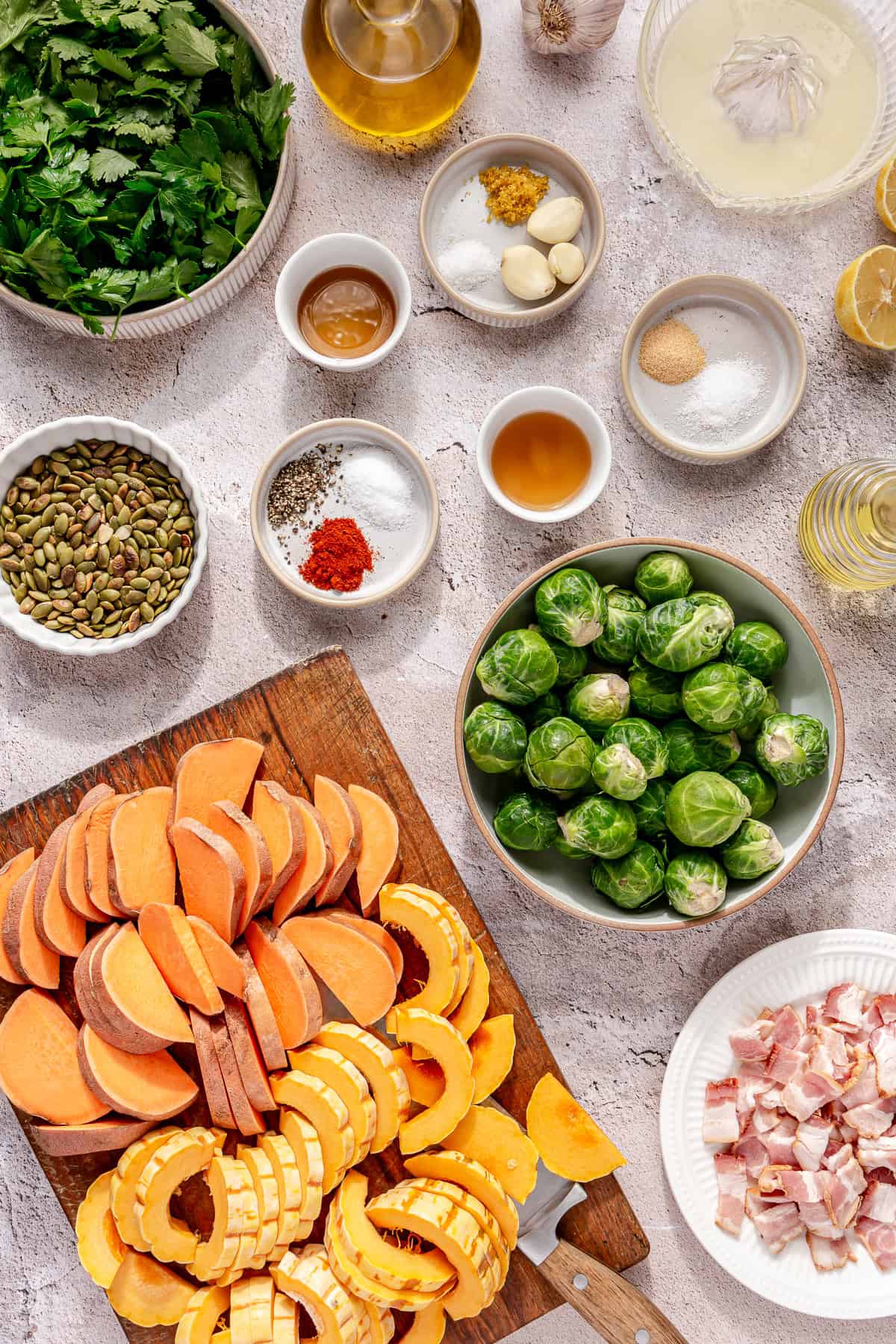
What Are The Best Non-Toxic Cutting Boards?
Linking a few that I love and use daily!













Comments